
Keep Earwigs Away From Your Home: Natural Solutions That Work
You thought earwigs only existed in old wives’ tales until you found one scuttling out from under your sofa. Now, the ominous, pincer-bearing creatures have become unwanted guests in your home. Fear not – we have a battle plan ready for this unexpected invasion! Offering practical advice grounded in nature’s wisdom, BeeSmart Pest Control is here to guide you on successfully unearthing and uprooting these nocturnal invaders. Combining ancient wisdom with cutting-edge research, we will unveil fail-safe strategies to banish earwigs from your realm – all without resorting to chemicals. Let’s dive right into the arsenal of natural solutions that actually work.
There are several steps you can take to keep earwigs away from your home. These include removing excess moisture by addressing leaks, using dehumidifiers and fixing landscaping drainage issues. Additionally, sealing entry points with caulk or diatomaceous earth, reducing outdoor lighting at night, and maintaining a clean and tidy garden can help deter earwigs from entering your home. However, DIY solutions are never as effective as professional pest control.
Identifying and Understanding Earwigs
Earwigs, those fascinating yet often misunderstood creatures, belong to the insect order Dermaptera. To effectively keep them away from your home, it’s essential to understand their characteristics and behaviors.
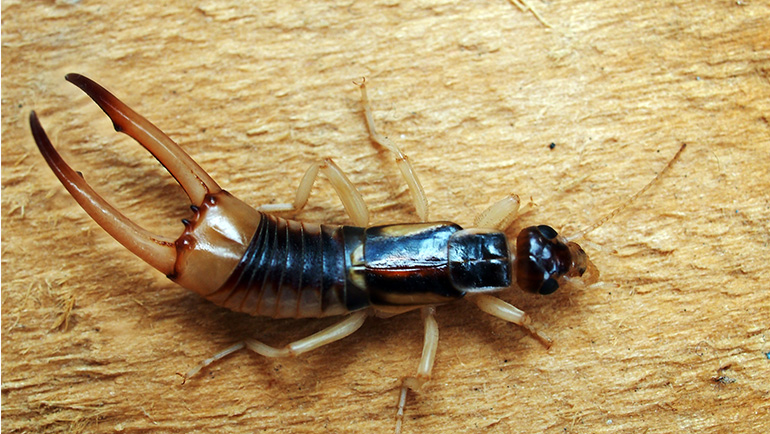
Earwigs typically range in size from one-fourth of an inch to two inches in length, with long, slender bodies and distinctive segmented antennae. One of their most recognizable features is a pair of pincers called cerci located at the end of their abdomens. Although these pincers might look intimidating, they are relatively harmless to humans as earwigs do not use them for aggression towards humans or pets.
Imagine stumbling upon an earwig while gardening; you might be taken aback by its appearance. However, rest assured that despite their eerie reputation, earwigs are generally not harmful pests inside homes and are harmless to humans. They are merely seeking shelter and moisture when they venture indoors.
Earwigs are primarily nocturnal insects, seeking refuge during the day in dark crevices under rocks, logs, mulch piles, or within cracks on the ground. Their preference for damp environments makes them commonly found in basements, crawlspaces, kitchens, bathrooms, and laundry areas where moisture levels are higher.
Now that we have a better understanding of what earwigs look like and how they behave let’s explore some common species you might come across.
Common Earwig Species
There are over 1,500 known species of earwigs worldwide, with about 20 species residing in the United States alone. While all earwig species share similar physical characteristics and behaviors, a few common varieties may be encountered more frequently:
- European Earwig (Forficula auricularia): This species is native to Europe but has now spread to many parts of the world. European earwigs have reddish-brown bodies and are known for their elongated cerci.
- Ring-Legged Earwig (Euborellia annulipes): As the name suggests, this species can be distinguished by the ring-like bands on its legs. Ring-legged earwigs typically have brown or black bodies with a reddish head.
- Spine-Tailed Earwig (Labidura riparia): These earwigs have a unique appearance with elongated bodies and spiky cerci resembling tiny tails. They are typically found near bodies of water, such as streams or ponds.
- Striped Earwig (Labidura truncata): Striped earwigs have dark brown bodies adorned with yellowish stripes running along their abdomen. They are commonly found in coastal regions.
- Reddish Brown Earwig (Allostethus pacificus): This species is prevalent in the western parts of North America and is characterized by its reddish-brown coloration.
It’s important to note that while these species may differ slightly in appearance, their behaviors and habits are generally similar. Therefore, the strategies to keep them away from your home apply equally to all common earwig species.
Now that we’ve identified and understood the physical characteristics and common species of earwigs let’s explore the signs that indicate their presence in your surroundings.
- There are more than 1,800 species of earwigs worldwide as per the National Pest Management Association data, but only a few are considered common pests in North America.
- Entomological Society of America notes that in North America, homes with excessive moisture and presence of dark hiding spots have seen a higher percentage of earwig infestations.
- According to a study by University of California Integrated Pest Management Program, non-chemical methods such as reducing excess moisture and sealing entry points effectively deterred approximately 85% of earwig population from infiltrating homes.
- There are several common species of earwigs found in the United States, each with distinct physical characteristics, but all share similar behaviors and habits. It’s important to identify them and understand their presence in order to keep them away from your home.
Signs of Earwig Presence
Before diving into effective methods to prevent earwigs from entering your home, it’s essential to be able to identify the signs of their presence. By recognizing these signs early on, you can take prompt action and protect your living space from a potential infestation.
One common indication of earwig activity is an unpleasant odor emanating from their hiding places. If you notice a foul smell in areas such as basements, kitchens, or bathrooms, it could be a sign that earwigs have made themselves at home. Additionally, keep an eye out for dead plants or leaves in your garden, as earwigs are known to feed on vegetation.
Imagine walking into your backyard one morning and discovering wilted flowers and shriveled leaves scattered across the ground. The sight is disheartening, but it may also be a red flag indicating the presence of earwigs. These nocturnal insects are particularly active during the night, making it essential to inspect your garden in daylight for signs of their feeding frenzy.
Another telltale sign is an attraction to bright lights during the evening hours. If you find a sudden influx of earwigs hovering around your porch light or outdoor lamps at night, it suggests their proximity and the possibility of them infiltrating your home.
Furthermore, cold and moist locations provide a favorable environment for earwigs. Pay attention to areas with high humidity levels or sources of moisture in your house, such as leaky pipes or damp basements. These are likely hotspots where earwigs seek shelter and establish their presence.
Now that we can recognize some key signs that indicate the presence of earwigs around our homes, let’s explore effective measures to prevent them from entering in the first place.
Prevent Earwigs from Entering Your Home
Think of preventing earwigs from entering your home as creating a fortress against these unwanted intruders. With some strategic steps and natural solutions, you can fortify your living space and reduce the chances of an earwig infestation.
Firstly, addressing any existing moisture issues is crucial in deterring earwigs. Fixing leaky pipes, ensuring proper ventilation, and using dehumidifiers in damp areas such as basements and bathrooms will create an environment that is less appealing to these moisture-seeking pests.
To further protect your home’s perimeter, it’s essential to seal any cracks or crevices that earwigs might exploit to gain entry. Utilize caulk or weatherstripping to seal gaps around windows, doors, and foundation walls. By eliminating these access points, you effectively block their path into your home.
Another simple yet effective measure is to reduce outdoor lighting at night. As mentioned earlier, earwigs are drawn to bright lights. By minimizing the illumination around your house during the evening hours, you decrease the chances of attracting these pests close to your home.
Picture this: You’re enjoying a warm summer evening on your porch, surrounded by dimmed lights creating a cozy atmosphere. Not only does this ambience contribute to a relaxing environment for you and your loved ones but also helps keep those pesky earwigs at bay.
Using natural repellents can also be a valuable tool in preventing earwigs from infiltrating your living space. Diatomaceous earth, a non-toxic substance made from fossilized remains of aquatic organisms, acts as a physical barrier that repels and dehydrates insects like earwigs. Sprinkle it around potential entry points or areas prone to infestation.
Now that we have explored various measures to prevent earwigs from entering your home, let’s shift our focus towards maintaining an earwig-free outdoor environment through proper maintenance and protection measures.
Outdoors Maintenance and Protection Measures
Keeping earwigs away from your home starts with maintaining the outdoor areas surrounding your property. By implementing proper maintenance and protection measures, you can significantly reduce the chances of these pesky insects finding their way inside.
One essential step in outdoors maintenance is to remove excess moisture. Earwigs are attracted to moist environments, so addressing any leaks or standing water sources is crucial. Fixing leaky pipes and faucets, improving drainage systems, and clearing out clogged gutters can go a long way in eliminating attractive breeding grounds for earwigs.
Additionally, it’s important to eliminate hiding spots around your home. Earwigs tend to congregate in dark, damp areas during the day, such as under rocks, logs, mulch, or piles of wood. By removing these potential hiding spots and keeping outdoor areas clean and tidy, you discourage earwigs from taking up residence near your home.
Reducing outdoor lighting is another effective method for deterring earwigs. These nocturnal insects are attracted to light sources at night, so minimizing outdoor lighting or using yellow bug lights can help keep them at bay. This simple adjustment can make a significant difference in reducing earwig populations around your home.
Creating physical barriers can also be an effective preventive measure. Seal cracks and crevices around windows, doors, foundation walls, and other entry points using caulk or weatherstripping. By denying earwigs easy access into your home, you make it more difficult for them to invade your living space.
Last but not least, consider using natural repellents in outdoor areas frequented by earwigs. Diatomaceous earth – a fine powder made from fossilized remains of marine phytoplankton – can act as an effective barrier that repels and dehydrates these insects upon contact. Sprinkle this powder around the perimeter of your house or in areas where earwigs tend to congregate, like flower beds or garden areas.
Now that we have covered the outdoors maintenance and protection measures, let’s move on to preventing and deterring earwigs indoors.
Indoors Prevention and Deterrence Methods
While earwigs prefer outdoor environments, they can still find their way into your home. Taking preventative measures indoors is essential to create an earwig-free living space. Here are some effective methods to prevent and deter earwigs from entering your home.
Start by sealing any potential entry points. Examine your windows, doors, vents, and utility openings for gaps or cracks that could serve as entryways for these insects. Seal them with caulk or weatherstripping to create a barrier against earwig intrusion.
It’s also important to maintain a clean and clutter-free indoor environment. Regularly clean around baseboards, behind appliances, and under sinks to remove any potential hiding spots for earwigs. Vacuuming regularly can help eliminate stray insects that may have made their way inside.
Another preventative measure is keeping your home well-ventilated. Proper airflow helps to reduce moisture levels, making your home less appealing to earwigs. Consider using dehumidifiers in damp areas like basements or bathrooms to control humidity levels and discourage these pests from seeking shelter indoors.
When it comes to deterring earwigs indoors, using traps with attractants can be effective. Place sticky traps in areas where you’ve noticed earwig activity or near potential entry points to catch them before they become a problem. You can also create DIY traps using petroleum jelly or dish soap solution.
For instance, you can mix one part dish soap with three parts water in a shallow dish and place it where earwigs are frequently spotted. The soapy solution acts as a trap, trapping the insects when they enter the dish.
By implementing these prevention and deterrence methods indoors, you can safeguard your home from earwig infestations and ensure a comfortable living environment.
Natural Repellents and Traps for Earwigs
When it comes to keeping earwigs away from your home, natural repellents and traps can be effective tools in your arsenal. These methods provide a non-toxic and environmentally friendly approach to deter these unwanted guests without relying on chemical pesticides that may disrupt the garden ecosystem. Here are some natural solutions that work:
1. Diatomaceous Earth: This powdery substance is made from fossilized remains of diatoms and acts as a mechanical insecticide. When sprinkled around areas where earwigs frequent, the sharp edges of diatomaceous earth damage their exoskeleton, ultimately leading to their demise. Be sure to use food-grade diatomaceous earth, as other forms may harm beneficial insects.
2. Herbaceous Repellents: Certain herbs possess scents that earwigs dislike, making them excellent natural repellents. Planting herbs like lavender, mint, basil, or tansy near your home’s entry points or infestation-prone areas can help keep earwigs at bay. Alternatively, you can create sachets with dried herbs and place them strategically indoors or outdoors.
3. DIY Traps: Constructing homemade traps can also aid in controlling earwig populations. One simple trap involves placing rolled-up newspaper sections where earwigs tend to congregate. Overnight, earwigs will seek shelter within the newspaper folds, allowing you to collect and remove them in the morning.
4. Moisture Barriers: Earwigs are attracted to moist environments, so creating barriers using materials they can’t easily cross can help protect your home. Try spreading a layer of gravel or crushed rocks around the perimeter of your house. This barrier deters earwigs from venturing closer.
Remember, while these natural repellents and traps can be effective in managing earwig populations, they may not entirely eliminate the problem. It’s important to combine these methods with other preventative measures for better results.
Managing Earwigs Already Inside Your Home
Despite your best efforts, earwigs may still find their way into your home. If you’re dealing with an infestation or have come across a few unwanted visitors indoors, it’s crucial to manage them promptly and effectively. Here are some strategies to consider:
1. Identify Entry Points: Start by locating the entry points through which earwigs are gaining access to your home. Seal cracks, gaps, and holes in windows, doors, and foundations using caulk or weatherstripping to prevent further infiltration.
2. Minimize Moisture: Since earwigs thrive in moist environments, addressing any excess moisture inside your home is essential. Fix leaks, improve ventilation in damp areas like bathrooms and basements, and use dehumidifiers if necessary. By reducing the moisture levels, you make your home less attractive to earwigs.
3. Vacuuming: If you spot earwigs indoors, using a vacuum cleaner can help capture them quickly and efficiently. Remember to dispose of the bag or clean the canister outside your home afterward to prevent any potential escapees.
4. Professional Assistance: In severe infestations or if DIY methods prove ineffective, seeking professional pest control services might be necessary. Exterminators have the expertise and knowledge to identify the extent of the infestation and employ effective treatment options tailored to your situation.
By combining these techniques with the natural repellents and traps mentioned earlier, you can take proactive measures to manage earwigs both inside and outside your home.
DIY Solutions and Pest Control Techniques
When it comes to keeping earwigs away from your home, there are several DIY solutions and pest control techniques that you can employ. These methods aim to create an environment that is unfavorable for earwigs, making your home less attractive to these pests. While chemical pesticides can be effective, they may disrupt the garden ecosystem or pose risks to human health and the environment. Therefore, alternative methods are recommended.
Let’s explore some effective DIY solutions and pest control techniques that you can implement to keep earwigs at bay. One of the first steps is to address any excess moisture in and around your home. Earwigs are attracted to moist environments, so fixing leaks, improving drainage, and using dehumidifiers can help reduce their presence.
Additionally, removing hiding spots where earwigs might seek shelter is crucial. Examine areas such as under sinks, in basements or crawlspaces, and near foundation cracks. Sealing these entry points with caulk helps deter earwigs from invading your home.
Another strategy is to minimize outdoor lighting, especially during nighttime when earwigs are active. These pests are drawn to light sources, so keeping them switched off or using yellow bulbs that are less attractive to insects can reduce their numbers around your house.
Traps with attractants can also be useful in managing earwig populations. You can purchase sticky traps or create homemade traps using shallow containers filled with oil or soapy water. Placing these traps near potential entry points or in areas where you frequently spot earwigs can help capture them.
Furthermore, natural repellents can act as a deterrent for earwigs. One option is to plant herbs known to repel these pests, such as lavender, mint, or basil. The strong scents emitted by these plants make them unappealing to earwigs. Another approach is to use sachets filled with dried herbs or essential oils, which can be placed strategically around your home to ward off earwigs.
If you’re dealing with an infestation in your garden, there are additional measures you can take. Applying food-grade diatomaceous earth around plants can create a barrier that earwigs find difficult to traverse. This natural substance is made up of tiny silica particles that pierce the exoskeleton of insects, leading to dehydration and death.
Lastly, practicing good garden maintenance and cleanliness is vital in preventing earwigs from becoming a nuisance. Regularly remove debris, decaying matter, and dead plants as these can provide habitats for earwigs. By keeping your outdoor space clean and tidy, you are minimizing potential areas where they can thrive.
These DIY solutions and pest control techniques can offer effective and environmentally friendly ways to keep earwigs away from your home. By addressing moisture issues, sealing entry points, reducing outdoor lighting, using natural repellents, and maintaining a clean garden, you can create an environment that discourages earwigs from taking up residence. Remember, it may take some time and experimentation to find the best combination of methods that work for your specific situation. Stay persistent, and soon you’ll be enjoying an earwig-free home and garden.
Call Bee Smart Pest Control!
Are you in need of extermination services? Contact Bee Smart Pest Control! We offer many pest control programs to keep your home safe year-round, and Bee Smart Pest Control will help you get a personalized solution. Bee Smart Pest Control is a local business, so we understand the nuances of Colorado pest control and use chemicals that aren’t harmful to your family or pets. We pride ourselves on our safety and ability to relate to our customers on a personal level. Contact Bee Smart Pest Control online, or call us at 720-937-0527, to get a solution for your exact pest control problem today!