
Ant Control
Recurring ant trails often lead back to food, water, entry gaps, or nesting activity that remains active after surface spraying.
Learn About Ant Control
Residential and Commercial Pest Control
The ant trail, scratching noise, active wasp nest, or cockroach you noticed may not be the whole problem. Bee Smart Pest Control helps identify the pest, inspect the conditions supporting it, and recommend the right treatment or prevention plan for your property.
Direct Answer
Choose the service that matches the pest or evidence you are seeing. When the pest is unclear, keeps returning, or appears in multiple areas, Bee Smart can inspect the property and explain the next step before treatment begins.
View pest control servicesRecurring Pest Activity
A single insect does not always mean there is a large infestation. Repeated activity can point to a nest, entry opening, food source, moisture problem, breeding site, or hidden harborage that remains active.
Spraying the pest you see or setting one trap may temporarily reduce activity. It may not explain where the pest came from, how it entered, or why it continues to return.
Calling earlier can make the source easier to trace before pests spread into additional rooms, establish new nesting areas, damage stored materials, or become a recurring seasonal issue.
Pest Control Services
Different pests require different inspection and treatment methods. Select the service that most closely matches the activity or evidence you are seeing.
Recurring ant trails often lead back to food, water, entry gaps, or nesting activity that remains active after surface spraying.
Learn About Ant Control
Recurring webs and spider sightings may point to favorable hiding areas, entry points, or another insect population nearby.
Learn About Spider Control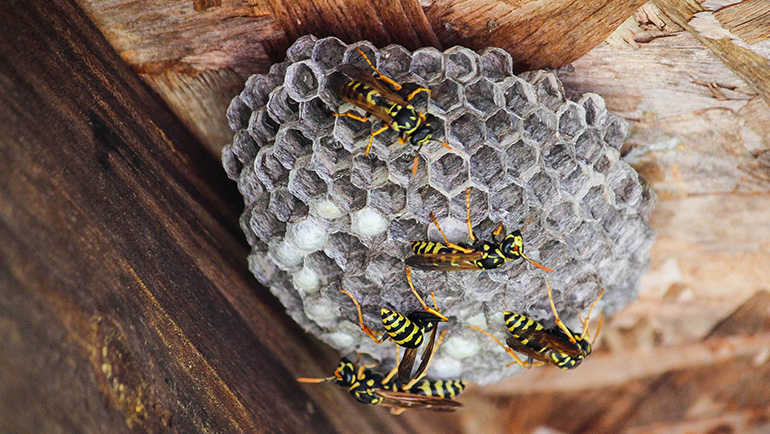
Repeated wasp traffic around eaves, vents, sheds, patios, or wall openings may indicate an active nest nearby.
Learn About Wasp Control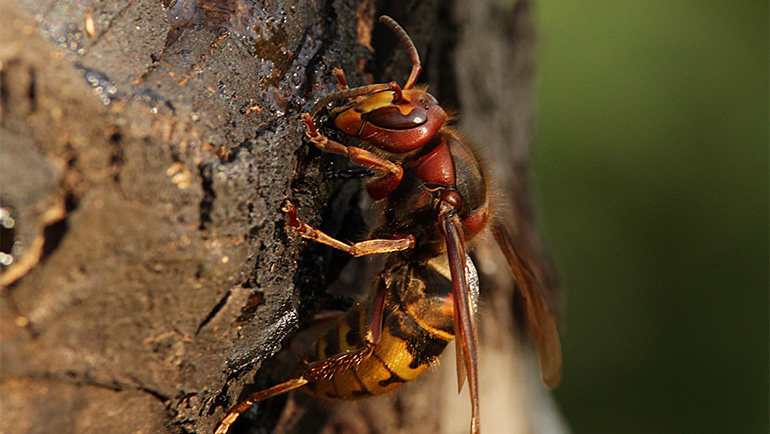
A hornet nest near a doorway, walkway, play area, patio, or roofline can create a serious stinging concern.
Learn About Hornet Control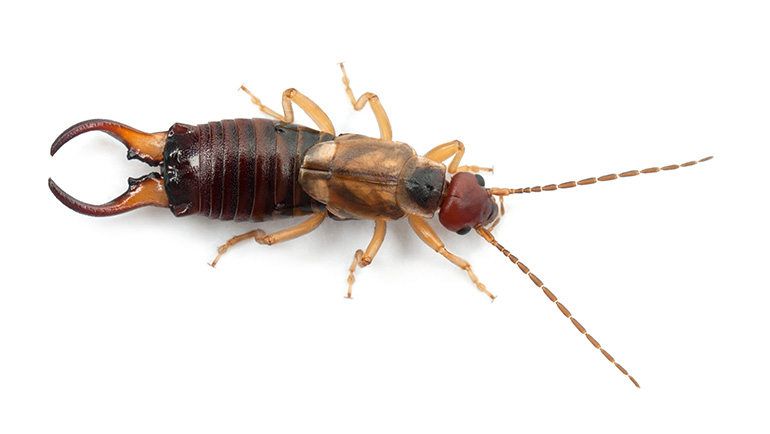
Earwigs often gather in damp, shaded areas around mulch, foundations, basements, crawl spaces, and exterior doors.
Learn About Earwig Control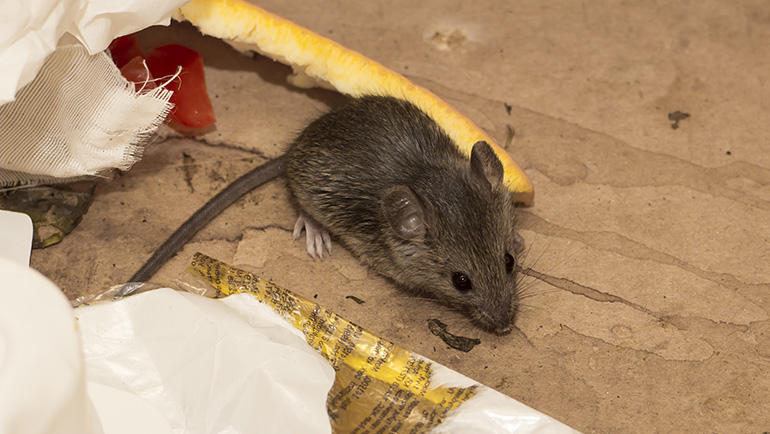
Droppings, gnawing, shredded material, and scratching sounds can indicate mice are entering or nesting inside the structure.
Learn About Mouse Control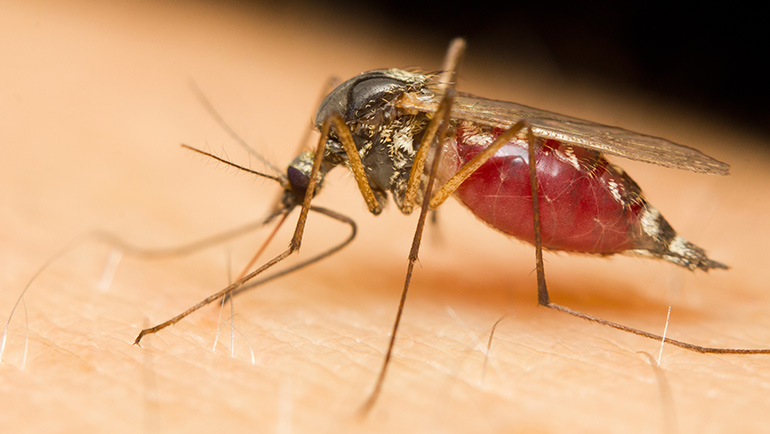
Shaded vegetation, irrigation, standing water, and protected resting areas can contribute to mosquito pressure around a yard.
Learn About Mosquito Control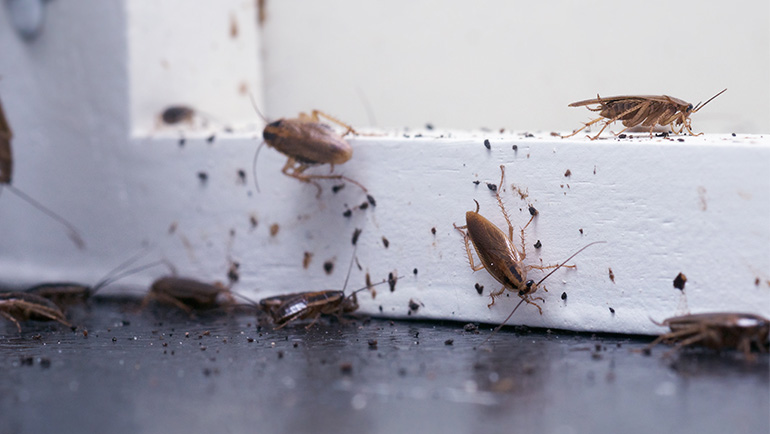
Cockroaches can hide behind appliances, near plumbing, inside cabinets, around drains, and within small cracks and voids.
Learn About Cockroach Control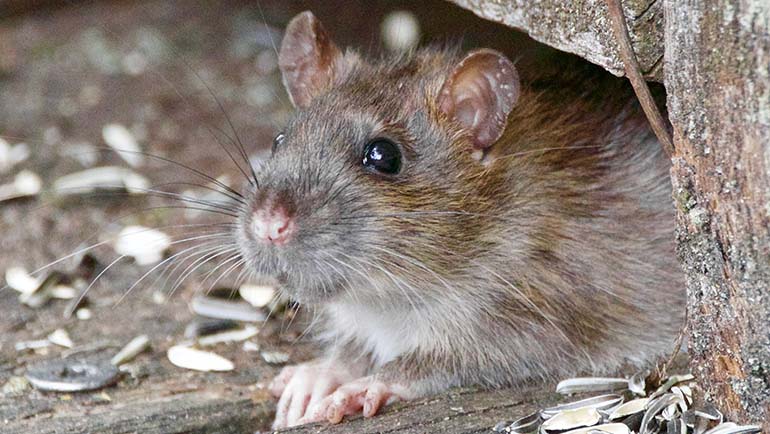
Larger droppings, heavy gnawing, burrows, grease marks, and nighttime noises may indicate rat activity around the property.
Learn About Rat ControlCannot identify the pest? Send Bee Smart a description of the activity, where you found it, and how often it appears.
Request HelpHomes and Businesses
Pest pressure inside a home is different from activity affecting employees, tenants, inventory, or customers. The inspection and recommendations need to reflect the property.
Pest problems around homes can begin with landscaping, irrigation, exterior openings, attached garages, basements, crawl spaces, stored belongings, pet food, and seasonal temperature changes.
Even one visible pest can become a larger concern when it appears around employees, tenants, customers, food areas, equipment, or stored materials.
What to Expect
Bee Smart builds recommendations around the pest, visible evidence, property conditions, and the level of activity found.
Tell the team what you saw, where it appeared, how long it has been happening, and what you have already tried.
The technician evaluates activity, entry openings, nesting areas, food, moisture, landscaping, and other contributing conditions.
Bee Smart explains what was found, which areas need attention, and the treatment or prevention options that fit the property.
Select targeted treatment, monitoring, follow-up, or recurring prevention based on the problem and your service goals.
Colorado Pest Pressure
Rapid temperature changes, dry periods, irrigation, summer storms, winter weather, construction, and seasonal movement can change where pests look for food, moisture, shelter, and nesting space.
Irrigated lawns and mulch can support insects during warmer months. Wasps may build around rooflines and outdoor living areas. Spiders follow other insects. Mice and rats may move closer to structures as temperatures fall or outdoor shelter becomes less reliable.
The better approach is to identify the pest, understand what is supporting the activity, and match the response to the conditions found.
Service Options
The right option depends on the pest, current activity, property conditions, and how often the problem returns.
A one-time service may fit an isolated problem when the pest and likely source can be identified and the property does not experience constant seasonal pressure.
Recurring service may be appropriate when ants, spiders, stinging insects, rodents, or other pests return throughout the year or the property has ongoing exterior pressure.
DIY or Professional Service?
Cleaning, moisture correction, secure food storage, vegetation trimming, clutter reduction, and sealing obvious openings can reduce minor pest pressure.
Professional inspection becomes more useful when the pest keeps returning, the source is hidden, the activity spreads, or the problem involves rodents, cockroaches, or an active stinging-insect nest.
Avoid mixing pesticides or using products outside their label directions. Preserve photos, droppings, shed skins, insects, and other evidence when possible so the technician can better understand the problem.
Get Clear Answers
Repeated activity may mean the source, entry point, or nesting area has not been addressed. Tell Bee Smart what happened and get a property-specific recommendation.
Featured Service Areas
Bee Smart serves homes and businesses throughout Colorado’s North Metro, the Boulder County corridor, and nearby Front Range communities. Select a priority location below for local service information.
Bee Smart also serves Boulder, Longmont, Brighton, Firestone, Frederick, Dacono, Lochbuie, Superior, and other nearby communities. Contact the team to confirm service for your address.
Why Bee Smart
Bee Smart Pest Control is a locally owned Colorado company serving residential and commercial customers with practical inspections, clear explanations, and recommendations based on the pest and property.
You get help understanding what was found, what may be supporting the activity, and which service option makes sense before moving forward.
Frequently Asked Questions
Start with the evidence you are seeing, such as trails, droppings, webs, bites, gnawing, scratching, or repeated insect activity. When you cannot identify the pest, Bee Smart can evaluate the affected area and recommend the correct service.
Yes. Bee Smart works with homeowners and businesses dealing with active pest problems and recurring prevention needs. The recommendations depend on the property, pest, and location of the activity.
Cost depends on the pest, property size, activity level, treatment needs, and whether the service is one-time or recurring. Bee Smart provides free estimates and explains the recommended service before work begins.
Yes. One-time treatment may be appropriate for certain active or isolated pest problems. Bee Smart also offers recurring prevention programs for properties with continued seasonal pest pressure.
Call when pests keep returning, spread into additional rooms, leave droppings or damage, create a stinging concern, affect a business, or remain active after cleaning and store-bought treatment.
Cleaning, food storage, moisture reduction, vegetation trimming, and sealing obvious gaps may help with minor pest pressure. Professional inspection is useful when the pest cannot be identified, activity keeps returning, or the problem involves rodents, cockroaches, or an active stinging-insect nest.
Product selection and preparation requirements depend on the pest and treatment area. Tell Bee Smart about children, pets, aquariums, allergies, and other concerns before treatment. Follow all preparation and reentry instructions provided by the technician.
That depends on the product, treatment method, and area being serviced. Bee Smart will explain any preparation, access, or temporary reentry requirements before treatment begins.
Yes. Some properties experience several types of seasonal pest pressure. Bee Smart can evaluate the activity and explain whether targeted treatment, combined prevention, or recurring service makes sense.
Bee Smart serves Colorado’s North Metro, Boulder County, and nearby Front Range communities. Priority service areas include Thornton, Westminster, Commerce City, Broomfield, Erie, Northglenn, Lafayette, and Louisville. Contact the team to confirm service for your address.
Get Help Today
Tell Bee Smart what you are seeing, where the activity is happening, and what you have already tried. Get clear recommendations for your home or business without a one-size-fits-all treatment plan.