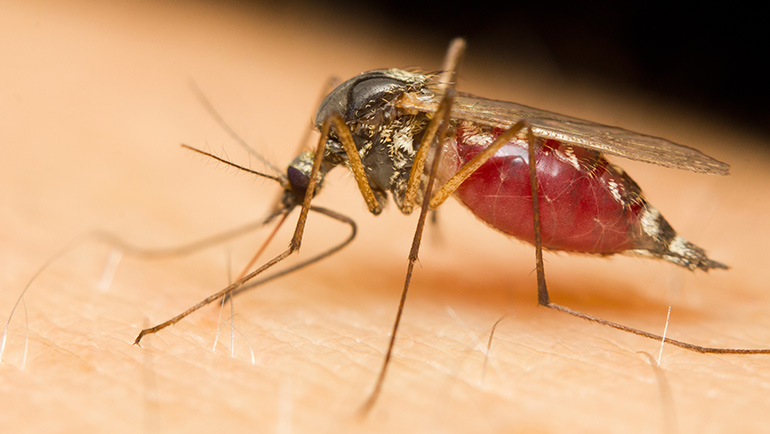
Repeated biting in one outdoor zone
Activity concentrated near a patio, play area, doorway, shaded property line, or work area helps identify where inspection and treatment need to begin.

Mosquito inspection, reduction, and prevention
Repeated mosquito activity around patios, play areas, shaded landscaping, irrigation zones, or outdoor workspaces can make a yard difficult to use. Bee Smart Pest Control evaluates likely breeding water, protected resting areas, vegetation, drainage, and property use before recommending a practical mosquito-control plan for homes and businesses across Colorado’s North Metro and selected Boulder County communities.
Direct answer
The strongest approach combines standing-water management, correction of drainage or irrigation problems, reduction of protected resting areas, personal bite prevention, and targeted treatment when warranted. One spray cannot permanently stop mosquitoes from moving into a property, so the plan needs to address both local sources and ongoing outdoor pressure.
Tell Bee Smart where mosquito activity is worstInteractive property-pressure scan
Select the location that best matches your property. The goal is to identify likely breeding water, adult resting areas, or recurring exposure zones—not to assume every mosquito originated in the same place.
Use the buttons below or the arrow keys to move through the locations.
What to watch for
Mosquito pressure becomes easier to address when you track where the adults gather, which water sources persist, and when people are being bitten.
Activity concentrated near a patio, play area, doorway, shaded property line, or work area helps identify where inspection and treatment need to begin.
Containers, clogged drainage, low areas, irrigation leaks, or neglected water features can support immature mosquitoes when the water remains accessible.
Dense shrubs, ground cover, under-deck spaces, and other protected areas can provide adult mosquitoes with shelter close to where people spend time.
Planning a gathering or trying to reclaim a patio? Tell Bee Smart which areas need to remain usable.
Call Bee SmartIdentification matters
Adult behavior, body shape, bite pattern, larval movement, and the location of activity help distinguish mosquitoes from midges, fungus gnats, crane flies, and other lookalikes.
Mosquitoes have a slender body, long legs, and a visible needle-like mouthpart. Females of biting species seek blood meals and may be most noticeable around exposed skin.
Immature mosquitoes develop in water. Larvae may appear as small wrigglers that move through the water when disturbed. The specific habitat differs by mosquito species.
Nonbiting midges can swarm near water and lights, fungus gnats may gather around damp organic material, and crane flies are much larger insects that do not function like biting mosquitoes.
Colorado State University describes effective mosquito management as a combination of surveillance, larval-source reduction, personal protection, and adult control when needed. Review its West Nile virus and mosquito-management guidance.
Colorado mosquito pressure
Colorado’s semi-arid climate does not prevent mosquito problems. Irrigated landscapes, stormwater systems, containers, shaded vegetation, drainage features, and periodic rainfall can create breeding or resting conditions near occupied areas.
West Nile virus is the mosquito-borne disease of greatest local concern. Colorado health officials recommend bite prevention, EPA-registered repellent, protective clothing, intact screens, and routine removal of standing water.
What to expect
The recommendation depends on breeding water, adult resting areas, vegetation, drainage, neighboring pressure, outdoor activity, and whether the property is residential or commercial.
Share where people are being bitten, when activity is worst, and which outdoor areas need to remain usable.
The technician evaluates containers, drainage, irrigation, vegetation, shade, patios, property edges, and other contributing conditions.
Bee Smart explains source reduction, habitat changes, monitoring, and targeted treatment options that fit the property.
Continued water management, landscape maintenance, bite prevention, and follow-up help reduce recurring seasonal pressure.
Mosquitoes interrupting outdoor time?
Tell Bee Smart where the biting is worst, which areas stay wet or shaded, and whether you are planning an outdoor gathering, customer event, or recurring service.
DIY or professional service?
Removing water around the property is one of the most useful steps homeowners and businesses can take. Adult mosquitoes may still rest in vegetation or move in from neighboring properties, drainage systems, wetlands, or other sources beyond the area you control.
Professional service becomes more useful when the property has recurring activity, complex landscaping, inaccessible water, customer-facing outdoor areas, or a need for coordinated seasonal reduction.
Homes and businesses
A residential backyard with children and pets requires a different plan from outdoor dining, multifamily common areas, landscaped offices, event spaces, or commercial properties with frequent customer traffic.
Home service may focus on patios, decks, play areas, gardens, landscape beds, irrigation, gutters, containers, shaded property edges, and the areas where the household spends time outdoors.
Business service considers customer and employee exposure, operating hours, outdoor dining, common areas, irrigation, landscaping, drainage, event timing, and documentation needs.
Local service area
Bee Smart serves homes and businesses across the North Metro, northern Front Range, and selected communities north and northwest of Denver.
Related services
Correct identification matters when the activity involves nonbiting flies, stinging insects, spiders, ants, or pests gathering around the same landscaping and outdoor-use areas.
Mosquito control FAQs
Mosquito pressure can increase around accessible standing water, leaking irrigation, poor drainage, shaded vegetation, protected resting areas, and outdoor spaces where people or animals are present.
CDC guidance recommends emptying and scrubbing, turning over, covering, or discarding water-holding items once a week. More frequent checks may be useful after rain or irrigation problems.
Yes. Some mosquitoes can develop in relatively small water-holding containers. Buckets, saucers, toys, gutters, tarps, and other small sources are worth inspecting.
No treatment can prevent every mosquito from entering a property. The practical goal is to reduce local development and adult resting pressure while improving how usable the outdoor space is.
New adults can emerge from water sources or move in from neighboring properties and public areas. Ongoing water management, vegetation maintenance, bite prevention, and follow-up may be needed.
Colorado health officials identify Culex mosquitoes as important West Nile virus vectors and note that these mosquitoes commonly feed around dusk and dawn. Mosquitoes can still bite at other times.
The CDC and Colorado health officials recommend an EPA-registered insect repellent used according to its label. Available active ingredients include DEET, picaridin, IR3535, and certain registered oil of lemon eucalyptus or para-menthane-diol products.
A plant or candle alone does not address standing water, larvae, sheltered resting areas, or mosquitoes moving in from nearby sources. Use proven bite-prevention and property-management measures rather than relying on one deterrent.
Yes. Bee Smart serves residential and commercial properties. The recommendation reflects outdoor use, landscaping, irrigation, drainage, operating hours, customer exposure, and seasonal pressure.
Contact Bee Smart online or call 720-937-0527. Share where the activity is worst, what time it occurs, whether standing water is present, and which outdoor areas need to remain usable.
Ready to reclaim the outdoor space?
Request an inspection-based recommendation for your North Denver, northern Front Range, or Boulder County home or business.