
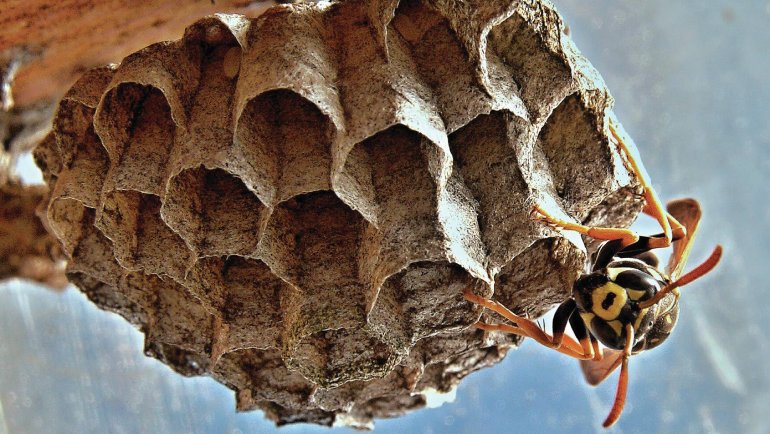
Hornets are one of the most feared stinging insects, and for good reason. Known for their size, speed, and aggressive defense of their nests, hornets pose a significant risk when they establish colonies near homes, gardens, or entryways. While they do play an ecological role in managing other insect populations, their presence on your property can quickly become a safety concern. Understanding how hornets behave and when they become dangerous is essential for keeping your family and pets safe.
This article explains hornet behavior patterns, why they may choose your home, and what safety measures you can take to prevent problems before they start.

Hornet Behavior: What Makes Them Different
Hornets are a type of large wasp, often mistaken for yellowjackets. However, their behavior is generally more aggressive, especially when their nest is disturbed. Unlike solitary stingers such as bees, hornets are social insects that live in colonies with a clear hierarchy. Their behavior revolves around three primary goals: building nests, protecting the queen, and hunting other insects.
Here’s what sets hornets apart:
- Territorial aggression: Hornets will aggressively defend their nests, often chasing perceived threats over long distances.
- Multiple stings: Unlike bees, hornets do not lose their stinger and can sting repeatedly.
- Seasonal activity: Colonies are most active in late summer and early fall, when they reach full size and food competition increases.
- Nest locations: Hornets typically build aerial nests in trees, under eaves, or in wall voids, but they can also occupy shrubs and attics.
Their sensitivity to vibration and movement means that even accidental disturbances can trigger an attack. Understanding this behavior is the first step to staying safe around them.
Signs That Hornets Have Moved In
Homeowners are often unaware of a hornet presence until nests are well established. Because hornets often choose hidden or elevated spots, colonies can grow quickly before they are noticed.
Here are common indicators that hornets may be nearby:
- Increased sightings of large, fast-flying wasps around your home or yard
- A papery nest in trees, roof overhangs, or sheds
- Buzzing sounds from inside walls or soffits
- Defensive behavior when approaching certain parts of your yard or garden
If you’ve observed any of these warning signs, avoid approaching the area and resist the urge to spray or swat at the nest. Hornets can become highly aggressive when they perceive a threat to their colony.
Safety Do’s and Don’ts Around Hornets
When hornets are active on your property, knowing how to behave around them is key to preventing dangerous encounters. Their instincts kick in quickly, and stings can cause severe pain or even allergic reactions in some individuals.
To stay safe, follow these practical guidelines:
- Do stay calm if a hornet flies near you. Sudden movements can provoke an attack.
- Do keep food and drinks covered during outdoor meals, especially sugary items.
- Do wear shoes and avoid floral scents if spending time in areas where hornets may be active.
- Don’t try to remove nests on your own. Hornets react aggressively to disturbances.
- Don’t block their flight path or swat at them, as this increases the risk of multiple stings.
- Don’t use loud machinery like mowers near suspected nest sites, as vibrations can agitate hornets.
For more outdoor safety practices, review these helpful pest-proofing tips for your garden, especially during peak insect activity months.
Why Hornets Target Residential Areas
Hornets are drawn to properties that provide easy access to shelter, water, and food. Unlike bees, which often prefer remote areas, hornets don’t hesitate to establish nests near human activity if the conditions are right.
Contributing factors include:
- Abundant insect prey from well-lit patios or gardens
- Sheltered spaces like attics, sheds, or gutters for nesting
- Compost bins, trash, or fruit trees that attract foraging hornets
- Lack of regular inspections, which allows small colonies to grow undetected
Hornet nests can be built quickly. What starts as a golf-ball-sized structure in spring can grow into a basketball-sized colony by late summer. Homeowners often overlook early signs, which is why routine pest inspections can help identify high-risk areas and address issues early.
Prevention Measures and When to Seek Help
Preventing hornets from settling near your home is always the better option. Once a nest is established, safe removal becomes difficult and potentially hazardous without proper equipment and knowledge.
Preventive steps include:
- Seal entry points around eaves, vents, and attic spaces
- Remove fallen fruit and secure trash bins tightly
- Limit outdoor lighting that attracts flying insects at night
- Trim back vegetation near your home that could conceal a nest
- Inspect regularly for signs of early nest development, especially in spring and early summer
If you notice a nest forming or see increased hornet activity near entry points or high-traffic areas, avoid the area and contact a licensed pest control professional. Proper identification and treatment are essential to avoid accidental injuries and prevent future nesting.
Keep Your Home and Family Protected
Hornets may play a role in the ecosystem, but that doesn’t mean they belong near your home. Their aggressive nature and painful stings make them a serious concern for families, especially those with children or individuals allergic to insect venom. Understanding their behavior and knowing the warning signs can help reduce risks, but when nests appear or hornet activity increases, the safest choice is to seek professional guidance.To ensure your property stays hornet-free and your household stays safe, connect with the experts at Bee Smart Pest Control. Our licensed team understands hornet behavior and can assess, treat, and help prevent future issues with confidence and care.