
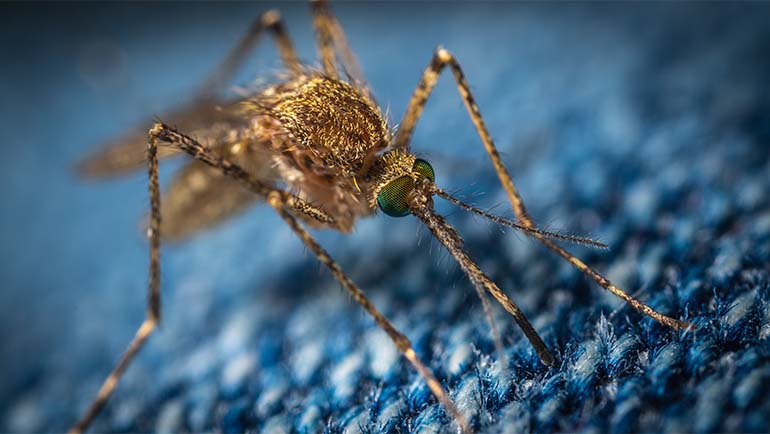
Mosquitoes are more than a seasonal nuisance, as they are persistent pests with a reproductive system built for survival. Their ability to breed quickly, thrive in small amounts of water, and avoid detection in early life stages makes them one of the most frustrating pests for homeowners. To control them effectively, it’s essential to understand the mosquito life cycle and target each phase with strategic intervention.
This article outlines the four key stages of mosquito development and offers practical, expert-backed guidance on how to interrupt their growth at every turn.
Understanding the Four Stages of Development
The mosquito life cycle consists of four distinct stages: egg, larva, pupa, and adult. Each stage takes place in or near water, which is why even a neglected birdbath or clogged gutter can support a full mosquito colony.
- Egg: Female mosquitoes lay eggs on or near standing water. Some species lay them directly on the water’s surface, while others attach them to damp surfaces just above the waterline. A single female can lay hundreds of eggs at once.
- Larva: After hatching, mosquito larvae (commonly called “wigglers”) live in water, feeding on microorganisms. They surface regularly to breathe through specialized tubes.
- Pupa: This non-feeding, transitional stage is when mosquitoes begin to transform into adults. Pupae are still aquatic but highly mobile.
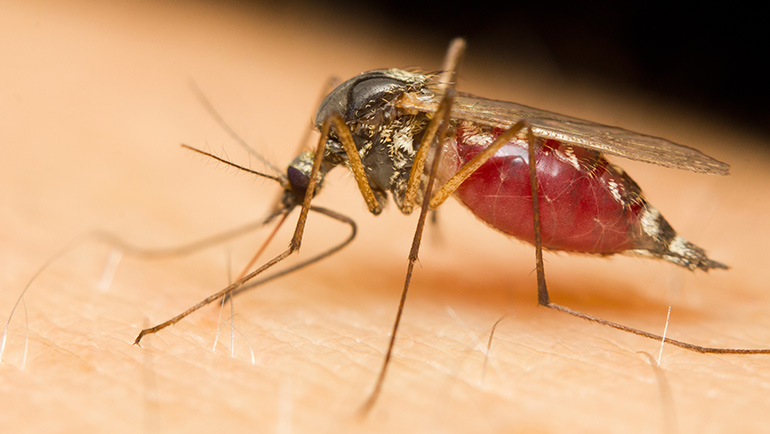
- Adult: Once developed, adult mosquitoes emerge from the water and begin feeding and mating. Females seek blood meals to nourish the next batch of eggs, continuing the cycle.
Each phase takes just a few days under warm conditions, which means mosquitoes can repopulate rapidly if not addressed early.
Breeding Grounds Around the Home
Since mosquitoes require water to breed, controlling their population starts with managing moisture. Many of the most common mosquito breeding areas are easy to overlook and require consistent monitoring.
Some of the most frequent sources include:
- Clogged gutters and drains
- Birdbaths and pet bowls
- Plant saucers and flowerpots
- Children’s toys and playsets
- Old tires, buckets, and unused containers
- Low spots in the yard with poor drainage
Water doesn’t need to be deep or dirty to attract mosquitoes. Just a few tablespoons are enough for eggs to hatch and larvae to thrive. Inspecting and emptying these areas weekly can help eliminate the early stages of the mosquito life cycle before they escalate.
For eco-conscious homeowners, exploring natural and chemical pest control strategies can guide smarter decisions around prevention without over-relying on chemical sprays.
Targeting Mosquitoes at Each Stage
To effectively reduce mosquito populations, each stage of development should be addressed using tailored methods. Understanding what works best at each point helps build a more resilient approach to control.
- Egg stage: Remove or regularly empty standing water to stop egg development. Cover rain barrels and maintain pool filters.
- Larval stage: Use larvicides in areas where water cannot be drained. These are specifically designed to target larvae without harming wildlife.
- Pupal stage: Physical disruption of standing water can prevent pupae from maturing into adults.
- Adult stage: Focus on minimizing outdoor activity during peak mosquito hours (dusk and dawn), wear protective clothing, and use repellents approved for skin use.
Combining physical prevention with expert intervention ensures that mosquito colonies are addressed at their source, not just the visible adult phase.
Long-Term Prevention Requires Consistency
Mosquitoes are persistent, and without consistent effort, they quickly return. Homeowners who only react when mosquito populations surge are often stuck in a repetitive cycle. Preventing long-term infestations requires a proactive mindset and regular follow-through.
Key steps for lasting protection:
- Inspect your yard weekly for new water sources or signs of breeding activity.
- Trim overgrown vegetation where adult mosquitoes hide during the day.
- Keep screens and doors in good repair to prevent indoor entry.
- Encourage air movement with fans in outdoor seating areas, which discourages mosquitoes from landing.
- Follow up after treatments to assess whether mosquito populations have been disrupted at every life stage.
Too often, a single treatment leads to short-term relief but not long-term results. Understanding why follow-up is important after pest control ensures your efforts stay effective and adaptable over time.
Knowing When to Call a Professional
While it’s possible to control mosquitoes on your own to some extent, there comes a point when expert intervention becomes necessary. Some mosquito species breed in places not easily visible, such as storm drains, catch basins, or underground utility areas. Others may be more aggressive or resistant to standard repellents.
If you notice any of the following, it’s time to consider professional help:
- Frequent mosquito bites even after home prevention efforts
- Large numbers of mosquitoes near entryways, patios, or garages
- Signs of larvae in water sources despite removal efforts
- Increasing reports of mosquito-borne illnesses in your area
- Children or vulnerable individuals experiencing reactions to bites
A trained technician can identify hidden breeding sites, recommend long-term solutions, and reduce populations safely and effectively.
Ready to Interrupt the Cycle?
Mosquitoes may be quick to multiply, but you can take control by targeting their life cycle with precision and consistency. Knowing where they breed, how they develop, and when they pose the most risk is the key to reclaiming your outdoor spaces. When home remedies aren’t enough or the risks are too high, partnering with experts is the safest path forward.To get started with a detailed inspection and smart mosquito control solutions, contact Bee Smart Pest Control today.