
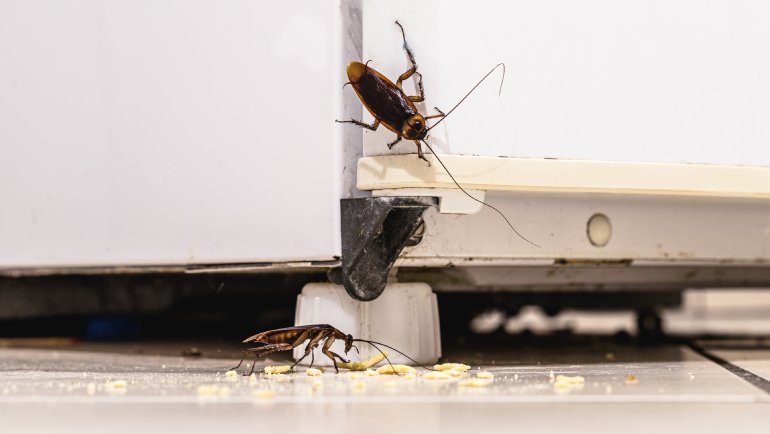
Cockroaches are one of the most troubling pests a restaurant can face. Their presence not only threatens health inspection scores and food safety but also damages customer trust and brand reputation. Unlike occasional insects that wander in, cockroaches multiply quickly, hide in hard-to-reach areas, and contaminate everything they touch. For restaurants in Colorado, where environmental conditions can drive pests indoors year-round, proactive cockroach control is essential.
This article explores the core risks cockroaches pose to restaurants, where they hide, and why professional oversight is the key to long-term control and health code compliance.
Why Cockroaches Pose Serious Health Risks
Cockroaches are not just unsightly; they are disease vectors that can introduce a range of harmful bacteria and pathogens into food preparation environments. Their ability to crawl across contaminated surfaces and then into food areas without detection makes them a significant health hazard.
Here are a few reasons why they require immediate attention:
- Disease transmission: Cockroaches carry bacteria like Salmonella, E. coli, and Listeria, which can lead to serious foodborne illnesses.
- Allergy triggers: Their droppings, saliva, and shed skins can aggravate respiratory issues, particularly in staff or customers with asthma.
- Regulatory violations: Health departments will issue citations or closures for active infestations or evidence of cockroach activity.
- Reputation damage: Online reviews, social media posts, and word-of-mouth can quickly turn a minor sighting into a business-altering crisis.
In the fast-paced world of food service, it only takes one missed sighting to create a long-term setback. Consistent prevention, monitoring, and response are critical.
Common Hiding Spots in Restaurant Settings
Cockroaches are nocturnal and thrive in warm, humid environments with easy access to food and water. Commercial kitchens offer exactly that, along with countless nooks and hidden entry points.
The most common hiding places include:
- Under and behind appliances: Refrigerators, ovens, and dishwashers provide heat and shelter.
- Floor drains and sink areas: Moisture and organic matter attract roaches, especially in poorly maintained drainage zones.
- Cracks in walls and baseboards: Even a gap as thin as a credit card can allow entry or nesting.
- Storage rooms: Cardboard boxes and food containers give roaches shelter and food remnants to feed on.
- Ceiling voids and wall cavities: Cockroaches often travel through HVAC systems, pipes, or utility lines.
Identifying and sealing these areas is crucial, but may not be enough. Even in spotless kitchens, roaches can go unnoticed without targeted detection techniques. Scheduling regular pest inspections can help uncover early activity before it escalates into a larger infestation.
Proactive Sanitation and Structural Measures
Sanitation is the foundation of cockroach control. While even clean kitchens can experience pest issues, maintaining a strict sanitation routine reduces the appeal of your space to these unwelcome guests.
Key preventive practices include:
- Deep-cleaning kitchen equipment: Pay special attention to grease buildup under stoves and around fryer areas.
- Emptying trash bins nightly: Use liners and keep lids tightly sealed to block odors.
- Cleaning drains regularly: Biofilm and food particles in floor drains can attract and sustain roaches.
- Inspecting deliveries: Check boxes and crates before storing. Cockroaches can hitchhike in shipments of dry goods.
- Rotating inventory: Keep older products to the front and ensure all containers are tightly sealed.
While these practices form a strong defense, they cannot eliminate infestations already underway. Once roaches have established themselves behind walls or inside appliances, professional treatment becomes essential.
The Importance of Consistent Monitoring and Follow-Up
Initial treatments are only the beginning. Roach colonies often have satellite groups or hidden egg casings that survive after the first application. This is why consistent monitoring and professional follow-ups are necessary to ensure complete eradication.
Ongoing cockroach control should include:
- Regular inspections: These help catch emerging activity or reinfestation early.
- Non-disruptive baiting and trapping: Professionals use discrete and effective tools suited for commercial kitchens.
- Monitoring logs: Maintaining pest activity logs allows for pattern tracking and treatment adjustment.
- Follow-up visits: To address lingering colonies and apply corrective measures based on progress.
Skipping this critical phase can allow a small resurgence to grow into a repeat infestation. This article on post-treatment follow-ups explains how re-inspections close the loop on effective pest management.
Why Professional Oversight Matters
No matter how vigilant a restaurant is with cleaning and maintenance, the complexity of cockroach behavior and reproduction makes total elimination difficult without expert intervention. Over-the-counter sprays and baits often provide short-term relief while missing the root of the problem, allowing colonies to rebound quickly.
Professionals are trained to:
- Identify the specific cockroach species and nesting behavior
- Apply commercial-grade treatments safely and effectively
- Create custom plans based on kitchen layout, pest history, and health code requirements
- Document findings and support inspection readiness
With Colorado’s seasonal pest pressures and ever-changing regulatory demands, restaurants need more than good intentions as they need trusted expertise to protect their operations year-round.
Keep the Kitchen Clean Behind the Scenes
Don’t wait for an inspector or a customer to spot the problem first. For reliable cockroach control tailored to commercial kitchens, reach out to Bee Smart Pest Control today.