
Wasp nests pose both a physical and psychological threat when found near homes, gardens, or recreational areas. While wasps contribute to the ecosystem by preying on other insects, their aggressive nature when provoked makes their nests a safety hazard. Improper handling of a nest can lead to painful stings or even serious allergic reactions. This is why wasp nest removal must be approached with a clear understanding of wasp behavior, nest structure, and safe techniques.
Effective wasp management involves more than just eliminating the visible nest. It requires careful planning, knowledge of nesting habits, and consideration of surrounding environmental factors. This article explores the safest and most effective methods of dealing with wasp nests, with a focus on timing, prevention, and why expert intervention is often the most reliable course of action.
Identifying the Nest and Type of Wasp
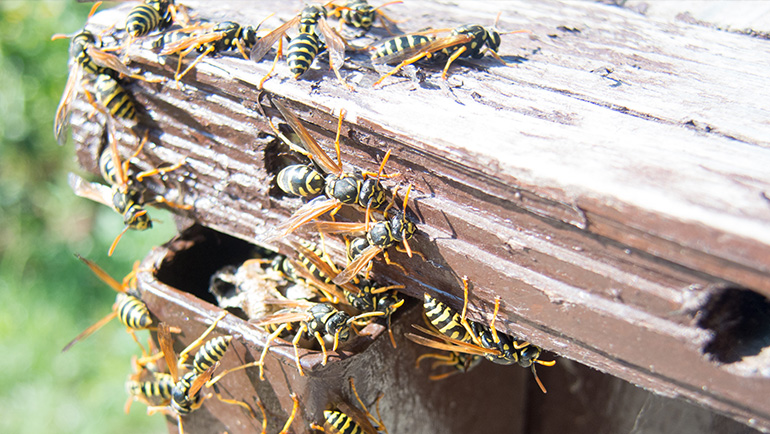
Before any removal can begin, it’s critical to identify the type of wasp and the location of the nest. Not all wasps behave the same way. Paper wasps, hornets, and yellow jackets differ in their aggression levels, nesting patterns, and reactions to disturbance.
- Paper wasps typically build umbrella-shaped nests under eaves or overhangs. These nests are open and expose the cells directly.
- Yellow jackets are more aggressive and often nest underground, inside wall voids, or in cavities. Their nests are enclosed and hidden.
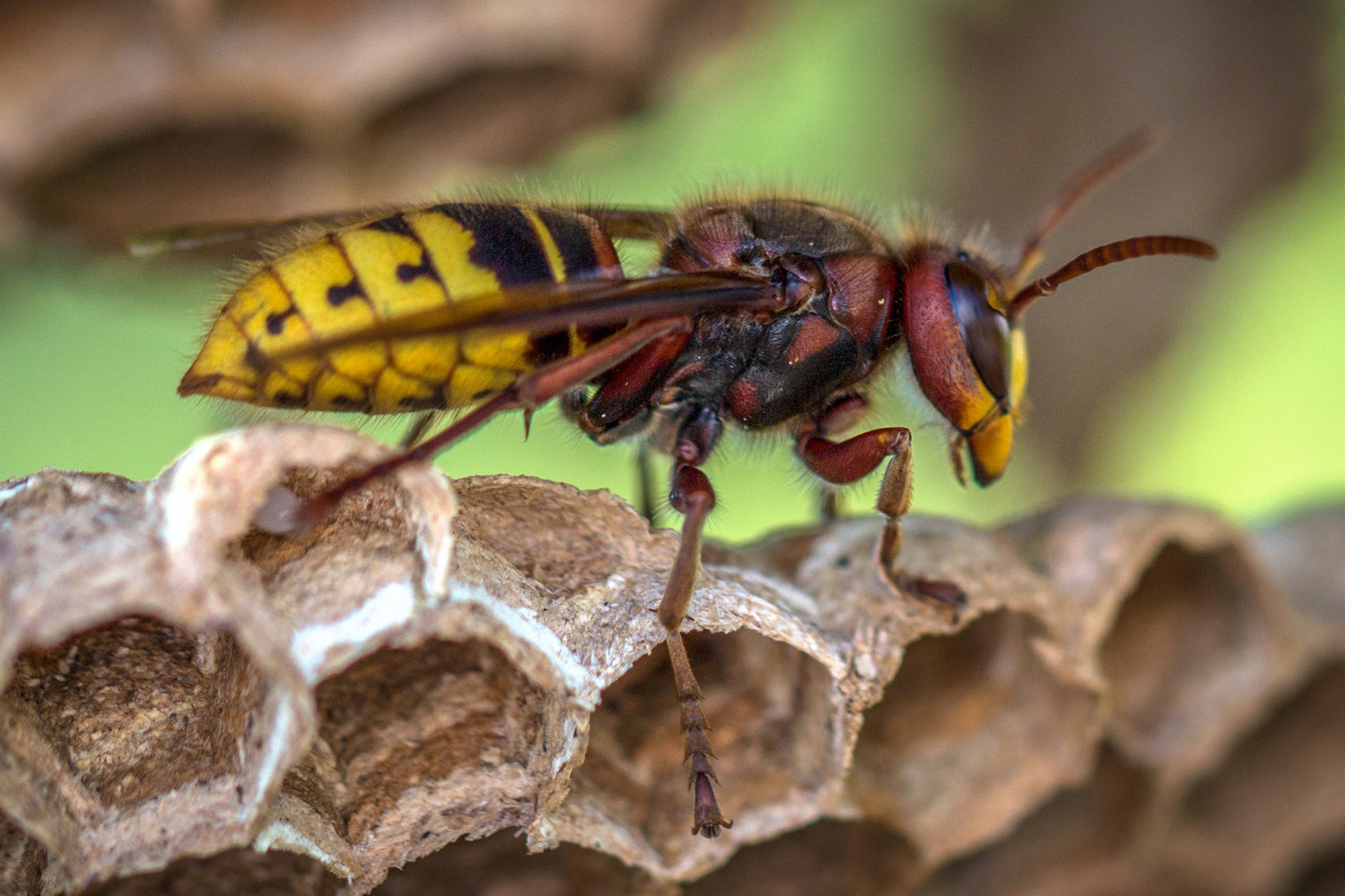
- Hornets build large, football-shaped nests usually suspended from trees or high ledges. They defend their nests aggressively if approached.
Accurately identifying the nest type helps determine the risk involved and the appropriate timing for removal. Attempting to dismantle a nest without knowing which species you’re dealing with could lead to swarming and multiple stings.
Best Time and Conditions for Removal
Timing is everything when it comes to wasp nest removal. Attempting removal during the wrong time of day or season increases the risk of agitation and injury. Wasps are most active during the warm daylight hours and calmer in the early morning or late evening when temperatures are lower.
Ideal conditions for removal include:
- Early morning or dusk, when wasps are less active and slower to react
- Late spring or early summer, before the colony has reached full size
- Dry, still weather, which allows better visibility and safety during removal
It is also important to observe the nest from a distance before approaching. Watch for entry and exit patterns, size of the colony, and whether the nest is active. These observations will inform how extensive the removal effort will need to be. For gardens and yards, it also helps to understand the pest-proofing strategies that reduce future nesting activity.
Safe Removal Techniques for Various Nest Types
Depending on the nest’s location and the species of wasp, different techniques can be applied to safely neutralize and remove the colony. While some over-the-counter products claim to offer quick solutions, these may not penetrate hidden nests or fully eliminate the threat.
Key safe removal strategies include:
- Aerosol insecticides designed for wasps can be used from a safe distance but must be applied directly to the nest in the evening. Products should be labeled for specific use on wasps.
- Dust insecticides are ideal for wall voids or underground nests. These work by allowing workers to carry the dust deeper into the colony, eventually reaching the queen.
- Nest enclosure and removal methods involve carefully covering the nest with a bag or container and detaching it, followed by immediate sealing and disposal.
- Physical barriers like sealing access holes after treatment help prevent reentry or reinfestation once the nest has been dealt with.
- Pre-treatment observation should be done over several days to monitor wasp activity and determine colony size.
It is critical that protective clothing be worn during any removal. Thick gloves, goggles, long sleeves, and face coverings help minimize sting risk. However, even with precautions, removing an active nest without experience remains dangerous.
Why Natural vs. Chemical Choices Matter
Many homeowners wonder whether to use natural or chemical products for wasp nest removal. The answer often depends on the nest’s location, the size of the infestation, and potential impacts on surrounding ecosystems. While natural solutions may be preferred in gardens or near pets and children, they are generally less effective against large or aggressive colonies.
For small, exposed nests, natural deterrents like peppermint oil sprays or soap-water mixtures can disrupt wasp behavior. However, these methods rarely eliminate the colony entirely. Chemical treatments, on the other hand, provide more immediate and lasting results, especially when targeting internal nests. The choice between natural and chemical methods should prioritize safety, effectiveness, and long-term control over convenience.
In all cases, homeowners should assess the risk level before proceeding. If the nest is high up, hidden in a wall, or belongs to a highly aggressive species, professional help is strongly recommended to avoid injury or incomplete treatment.
Prevention Tips to Keep Wasps Away
After a nest has been safely removed, the next step is to reduce the chances of wasps returning. Preventative strategies focus on eliminating nesting opportunities and removing attractants.
Here are important prevention tips:
- Keep trash bins sealed and clean, especially during warmer months
- Avoid leaving sugary drinks or food outside during gatherings
- Seal cracks and gaps in siding, soffits, and attic vents
- Hang decoy wasp nests to discourage real nesting
- Regularly inspect high-risk areas like sheds, eaves, and playsets
Maintaining a tidy and unattractive environment discourages wasps from building future nests. Early-season inspections can also help catch small nests before they grow into serious problems.
Let Us Handle the Sting So You Don’t Have To
Wasp nest removal requires the right timing, techniques, and protective strategies to be both safe and successful. Don’t take unnecessary risks. For expert assistance with wasp control and prevention, contact Bee Smart Pest Control.