
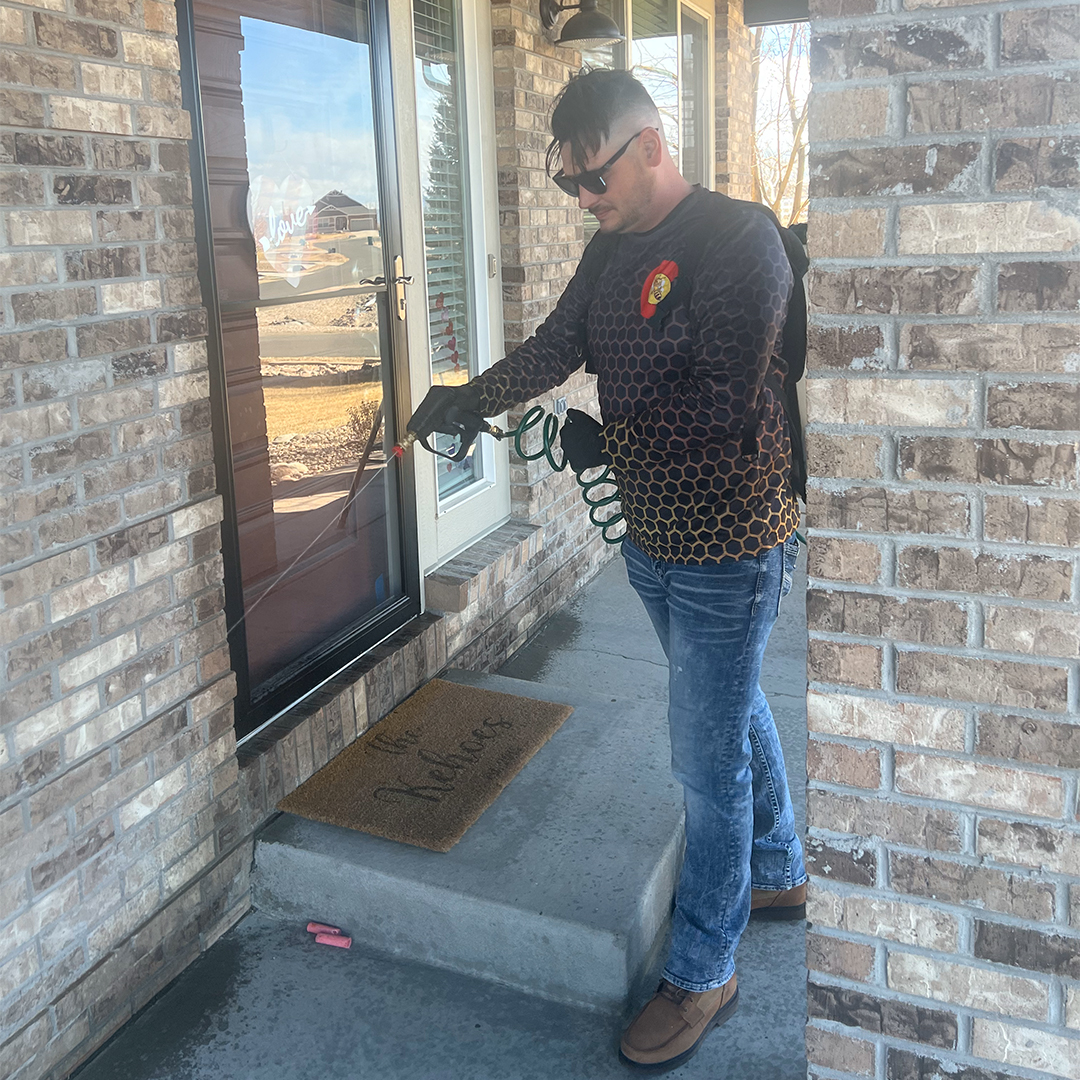
Colorado’s diverse climate, ranging from snowy mountain winters to warm, dry summers, creates an environment where a wide variety of pests can thrive. Ants, spiders, rodents, and stinging insects are just a few of the intruders that can make their way into homes, often bringing health risks and potential damage with them.
Choosing the right pest solution for your Colorado home is not just about eliminating a current problem; it’s about creating a plan that prevents future infestations. By understanding your property’s unique risks, seasonal pest activity, and the most effective control methods, you can protect your home year-round with confidence.

ComUnderstanding Your Home’s Unique Pest Risks
No two homes have the exact same pest risks. Factors such as location, surrounding vegetation, and building construction all play a role in determining which pests are likely to become a problem.
Key elements to evaluate include:
- Geographic location: Homes near wooded areas may see more wildlife intrusion, while urban properties might face higher rodent activity.
- Seasonal patterns: Warm months bring increased activity from stinging insects and ants, while colder seasons may drive rodents indoors.
- Moisture presence: Damp basements, leaky pipes, or poor drainage can attract pests like cockroaches and centipedes.
- Entry points: Gaps in siding, vents, or weatherstripping can provide access for small insects and rodents.
Regular assessments help identify these vulnerabilities early. Incorporating the importance of regular pest inspections into your home care routine can prevent a small issue from escalating into a costly infestation.
Comparing Different Pest Solution Approaches
Choosing the right pest solution requires understanding the pros and cons of various treatment strategies. Not every method is suitable for every pest or home environment.
- Targeted treatments: These address specific pests, such as ants or wasps, in a defined area. They are precise but may need follow-up visits for complete control.
- Barrier protection: Applying treatments around the perimeter creates a protective zone to keep pests out. Effective for seasonal prevention.
- Integrated pest management (IPM): Combines monitoring, prevention, and treatment for a long-term, eco-conscious solution.
- Seasonal maintenance plans: Provide year-round coverage tailored to seasonal pest activity in Colorado.
- Specialized removal: Certain pests, like stinging insects or rodents, require specialized handling to ensure safety and compliance with regulations.
The best approach often involves combining methods to address current infestations while preventing future ones.
Considering Seasonal Pest Challenges
Colorado’s changing seasons bring shifting pest threats, making it essential to choose a pest solution that adapts year-round.
- Spring: Ants, spiders, and wasps begin emerging as temperatures rise. Early-season treatments prevent population growth.
- Summer: Stinging insects, ants, and occasional invaders like earwigs peak during hot months. This is the time to focus on seasonal pest control.
- Fall: Rodents seek warmth indoors, while spiders look for sheltered areas to build webs.
- Winter: Many pests slow down but can still remain active indoors, especially in heated spaces.
A pest plan that accounts for seasonal activity ensures your home stays protected no matter the month.
Evaluating Preventive Measures Alongside Treatment
Prevention is an integral part of any effective pest solution. While targeted treatments and removal address existing infestations, the real long-term success comes from creating an environment that is less inviting to pests in the first place. Even the most thorough treatments will be less effective if conditions around your home continue to offer pests easy access, food, water, or shelter.
In Colorado, where seasonal changes can influence pest behavior, preventive measures need to be consistent and adaptable. By combining professional treatments with ongoing prevention, homeowners can reduce the frequency of infestations, lower treatment needs over time, and maintain a healthier home environment.
Practical prevention steps include:
- Seal entry points: Caulk gaps, repair torn screens, and install door sweeps to block common access routes.
- Maintain landscaping: Keep shrubs trimmed, mulch away from the foundation, and grass cut short to minimize shelter near the home.
- Control moisture: Fix leaks, improve drainage, and use dehumidifiers in damp spaces to discourage moisture-loving pests.
- Store food properly: Keep food in sealed containers and clean up spills immediately to remove easy food sources.
- Regular cleaning: Vacuum regularly and remove clutter that can serve as pest harborage, especially in storage areas and garages.
When preventive practices are carried out alongside regular professional service, the result is a layered defense that not only eliminates pests but also makes it far less likely they will return.
Why Professional Guidance Makes the Difference
While there are many products available for homeowners, an experienced pest professional can identify threats that might go unnoticed. They have the training to detect early warning signs, recommend the most effective treatments, and apply solutions in a way that maximizes safety and efficiency.
Benefits of working with experts include:
- Accurate pest identification to ensure the right treatment strategy.
- Customized plans that account for your property’s unique layout and risk factors.
- Safe product use that complies with environmental and health guidelines.
- Long-term monitoring to prevent re-infestations.
In many cases, investing in professional help early can save both time and money by preventing structural damage and avoiding recurring infestations.
Secure Your Home the Smart Way
Your home deserves protection that is tailored to Colorado’s unique pest challenges. For expert advice and targeted solutions that deliver lasting results, contact Bee Smart Pest Control and safeguard your home against pests year-round.