
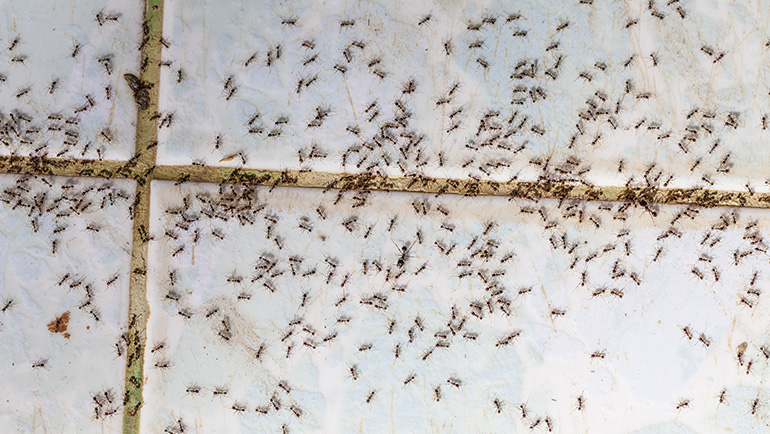
Ant infestations are among the most common household pest problems in Colorado, and moisture plays a bigger role in attracting them than many homeowners realize. While food sources are often blamed for ant activity, damp environments provide the ideal conditions for certain species to nest, breed, and expand their colonies. Moisture can be a direct draw for ants seeking hydration or an indirect factor that creates structural vulnerabilities in your home. By controlling excess moisture, you reduce the likelihood of attracting ants and make your property less appealing to them in the first place.
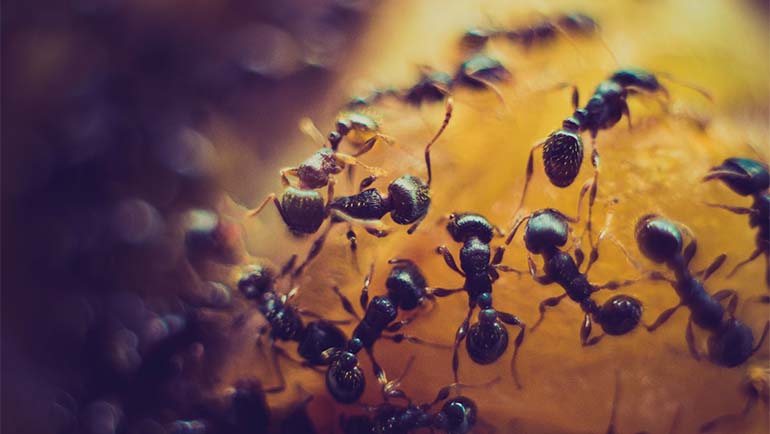
Why Moisture Attracts Ants
Ants, like all living creatures, require water to survive. In dry environments, they actively search for moisture, which often leads them indoors. Leaky plumbing, condensation, clogged gutters, and poorly ventilated crawl spaces can become water sources that support an infestation.
Some ant species are especially dependent on moist conditions. Carpenter ants, for example, are drawn to damp or decaying wood where they can tunnel and establish nests. This is why homeowners facing recurring infestations are often advised to evaluate their property for water damage and leaks as part of a comprehensive ant prevention strategy. Learning about ant species common to Colorado can help you identify which ones are more likely to be moisture-driven.
Common Sources of Indoor and Outdoor Moisture
Excess moisture can come from many sources, some of which are hidden or easily overlooked. Regular inspections and maintenance can help you address these issues before they attract ants.
- Leaky pipes or fixtures: Even small drips under sinks or behind walls can create enough moisture to support ant activity.
- Condensation buildup: Poor ventilation in bathrooms, kitchens, or basements can lead to damp surfaces.
- Clogged gutters: Blocked drainage can cause water to pool near the foundation.
- Overwatering plants: Soil that stays wet for long periods attracts ants and other insects.
- Poor drainage: Low spots in the yard or improperly graded landscaping can collect water.
By identifying and fixing these sources, you remove a key factor that enables ants to settle in and thrive.
How Moisture Control Supports Long-Term Ant Prevention
Moisture control is not a quick fix, but a preventive measure that strengthens your overall pest management plan. Eliminating excess moisture makes it more difficult for ants to find suitable nesting sites, and it also reduces the appeal of your home as a resource-rich environment.
Key benefits of moisture control for ant prevention include:
- Disrupting breeding environments: Many ants prefer to nest in damp or softened wood, which is eliminated when moisture problems are resolved.
- Limiting access to water: Without a reliable source of hydration, ants are less likely to remain in your home.
- Preventing structural damage: Addressing leaks and water intrusion early helps avoid conditions that could lead to both ant infestations and costly repairs.
- Reducing secondary pests: Many moisture-loving pests, such as termites and cockroaches, are also deterred when moisture is minimized.
Because ant activity often peaks during specific times of the year, pairing moisture control with seasonal maintenance can enhance its effectiveness. Understanding when and why pests invade gives you a better sense of when to be most vigilant.
Practical Moisture Control Measures for Homeowners
Addressing moisture issues is a combination of home repairs, routine maintenance, and environmental adjustments. These measures not only aid in ant prevention but also improve the overall condition of your property.
- Inspect plumbing regularly: Check under sinks, around water heaters, and behind appliances for leaks.
- Improve ventilation: Use exhaust fans in bathrooms and kitchens to reduce humidity levels.
- Maintain gutters and downspouts: Ensure they are clear and direct water away from the foundation.
- Grade the yard properly: Slope soil away from the house to prevent water pooling near walls.
- Control irrigation: Water plants and lawns early in the day and avoid oversaturating the soil.
- Seal entry points: Caulk gaps and cracks where ants could enter, especially near areas with high moisture.
While these steps are highly effective, combining them with a comprehensive inspection by a pest professional ensures that hidden vulnerabilities are addressed.
Why Professional Insight Makes a Difference
Homeowners can take many steps to control moisture, but professional expertise adds another layer of precision. Pest specialists know how to identify subtle signs of ant activity, locate hidden moisture sources, and recommend targeted solutions that address the specific conditions attracting ants to your property.
A thorough approach might include moisture mapping, structural inspections, and tailored recommendations that integrate with your existing pest management plan. This proactive method ensures that the root causes of infestations are removed rather than just treating the symptoms.
Make Your Home Less Inviting to Ants
Moisture control is one of the most effective and often overlooked aspects of ant prevention. By addressing the conditions that attract ants before they become a problem, you can keep your home protected year-round. For expert help creating a tailored plan that targets moisture-related pest risks, contact Bee Smart Pest Control and safeguard your home from ants and other unwelcome pests.