
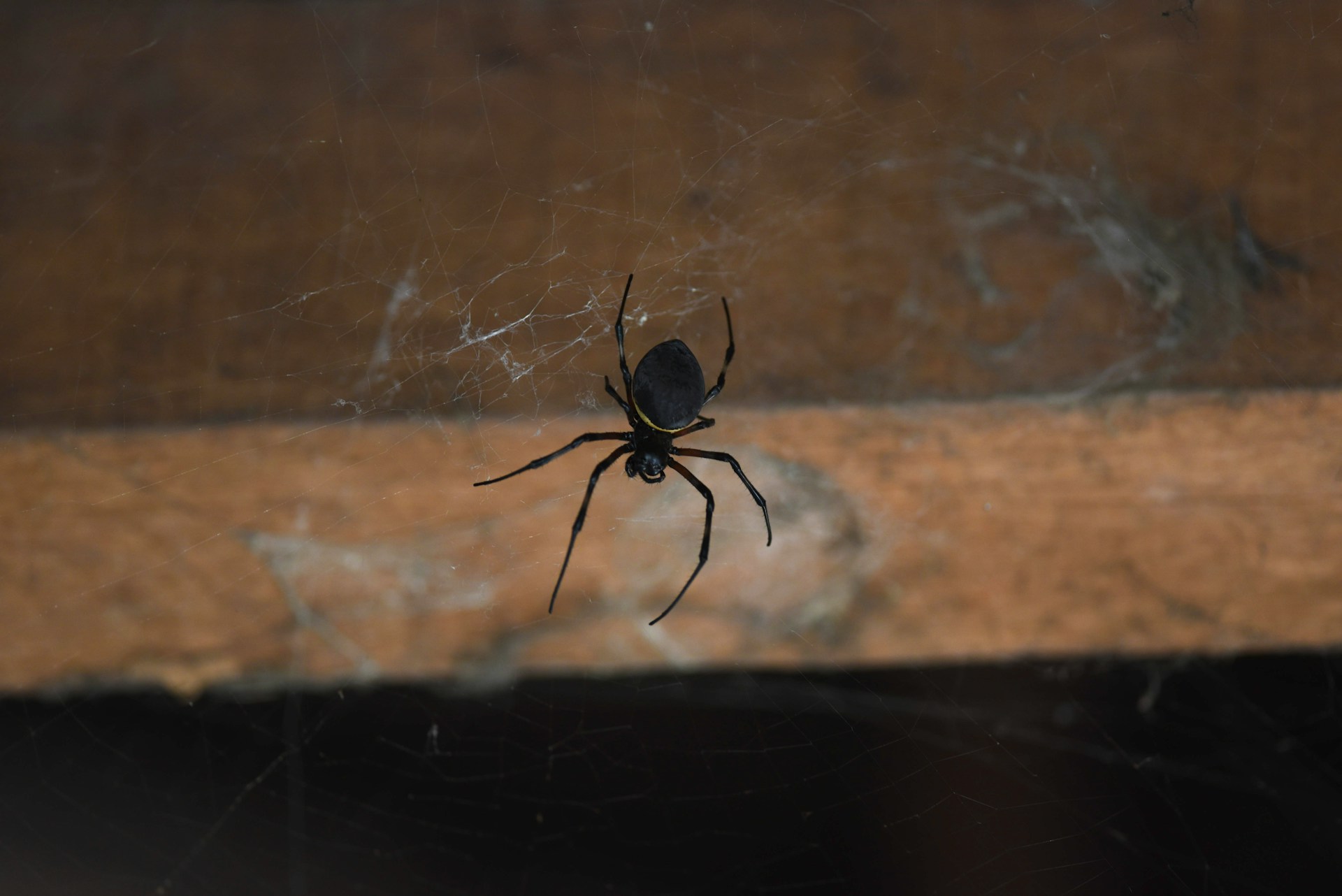
Spiders love Colorado basements and crawl spaces. These areas are cool, dark, and quiet, so they feel safe there. When spiders move in under your home, it can be stressful, especially if you are worried about bites or you keep seeing new webs after you clean. Knowing what attracts spiders and what is normal can help you feel more in control.
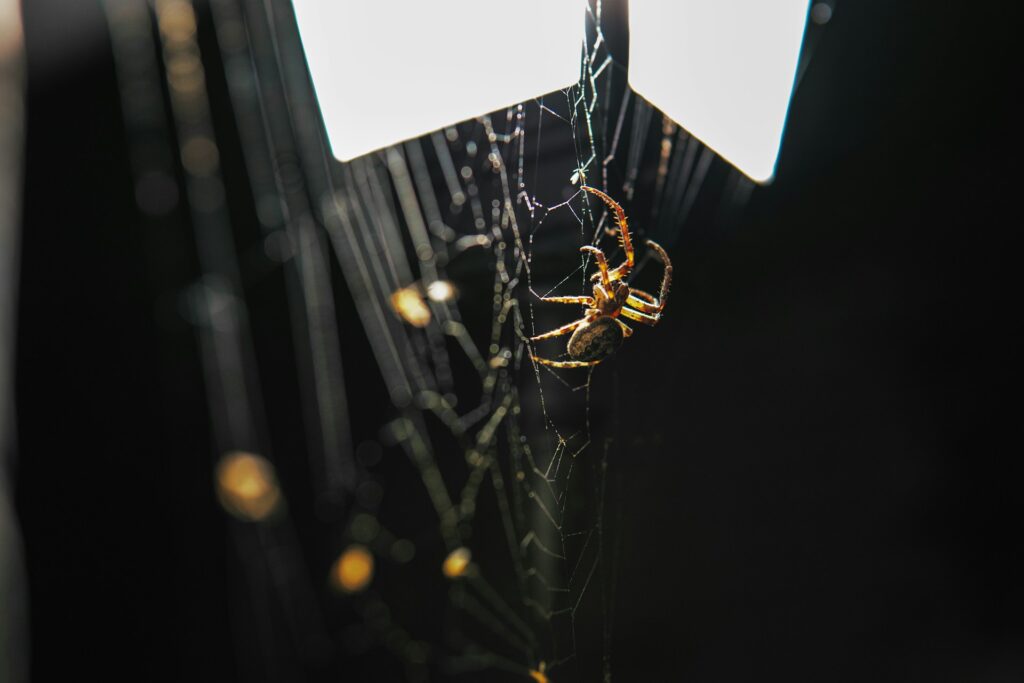
In this guide, we will walk through why spiders like these hidden areas, which types you are most likely to see, and what conditions invite them inside. We will also share practical steps to make your basement less friendly to spiders and when it makes sense to bring in professional spider control in Colorado for added peace of mind.
Why Colorado Basements Attract so Many Spiders
Colorado has dry air, big temperature swings, and long winters. Spiders look for places that feel more stable, and basements and crawl spaces are perfect for that. These spots stay cooler in summer and a bit warmer in winter, with less light and fewer people walking around.
You will often notice more spiders:
- In late winter, when the air is cold and they want a steady indoor place
- In early spring, as the weather warms up and insect activity starts to increase
- After a big change in weather, like a sudden cold snap or heavy rain
Most of the spiders you see under your home are actually doing pest control of their own by eating insects. They are usually shy and avoid people. But if you are seeing them often, or if certain species show up, it can stop feeling like a small issue and start to feel like an infestation that needs attention.
Common Colorado Spiders Hiding Below Your Home
Basements and crawl spaces in Colorado tend to attract a few common types of spiders. Each has its own habits and favorite hiding spots.
You may run into:
- Common house spiders, which build messy cobwebs in corners and around stored items
- Cellar spiders, often called daddy longlegs, with tiny bodies and very long legs that hang upside down in loose webs
- Wolf spiders, larger ground hunters that run instead of building webs and often hide along floor edges
- Sac spiders, small pale spiders that tuck into silk sleeping sacs in cracks and along ceilings
- Black widows, shiny dark spiders with a red hourglass on the underside of the abdomen, a medically important species
Key clues to notice:
- Web style: Tangled cobwebs in corners, flat sheet webs, or very little webbing for hunting spiders
- Location: Floor-to-wall junctions, sill plates, wall voids, behind boxes and furniture, under stairs, and in foundation cracks
- Behavior: Hanging in webs, running quickly when disturbed, or hiding under objects
Most of these spiders are mainly a nuisance. They leave webs, droppings, and sometimes dead bugs. But species like black widows can deliver painful bites if handled or pressed against the skin, which is why correct identification matters. When you know what you are dealing with, you can choose the safest and most effective approach to spider control in Colorado.
Hidden Conditions That Invite Spiders Indoors
Spiders rarely move in alone. They follow their food and their comfort. If you have insects and cozy hiding spots below your home, spiders will not be far behind.
Moisture and temperature are big factors. Problem areas often include:
- Condensation on cool foundation walls
- Leaky plumbing fixtures, water heaters, or drain lines
- Poor grading that lets water sit against the foundation
- Little to no air flow in crawl spaces or unfinished basements
Clutter also turns your basement into a spider hotel. Cardboard boxes on the floor, old furniture, stacks of newspapers, and piles of seasonal décor all create endless hiding places. Spiders can build webs where they will not be disturbed, and insects can hide there too.
Spiders and their prey often enter through:
- Gaps where utility lines and pipes pass through walls
- Foundation cracks and open mortar joints
- Poorly sealed or damaged crawl space vents
- Worn-out weatherstripping on basement doors and windows
If you are seeing spiders, there is a good chance one or more of these conditions are present. Fixing the environment is just as important as removing the spiders themselves.
Practical DIY Steps to Reduce Spider Activity
You can make your basement and crawl space less inviting to spiders by changing how these areas are cleaned, organized, and sealed. Small habits add up over time.
For cleaning and organization:
- Vacuum corners, ceiling joists, and floor edges regularly to remove webs and egg sacs
- Dust and clean around stored items, especially in hard-to-reach spots
- Store belongings in sealed plastic bins instead of cardboard boxes
- Keep bins and furniture a few inches off the floor and slightly away from walls
- Reduce long-term clutter so you can actually see what is going on
Basic exclusion steps help cut down on new spiders coming inside:
- Seal cracks and small gaps in foundations and around utility lines
- Install or replace door sweeps on basement doors
- Repair torn or loose screens on basement windows
- Add or replace weatherstripping where you feel drafts
- Consider using yellow bug lights outdoors near basement doors to attract fewer flying insects
Moisture control is just as important:
- Use dehumidifiers in damp basements
- Improve drainage by directing water away from the foundation
- Fix plumbing leaks and sweating pipes promptly
- In accessible crawl spaces, consider vapor barriers and better ventilation to keep the area dry
These steps do not remove every spider, but they make it harder for spiders and insects to thrive.
When to Call Professionals for Spider Control in Colorado
Sometimes, even with good habits, spiders keep coming back. That is when professional help can make a big difference in your comfort and safety.
Warning signs that DIY efforts are not enough include:
- New webs showing up within days of cleaning
- Frequent spider sightings in finished living areas, not just storage spaces
- Spotting black widows or other concerning species
- Spiders seen around beds, kids play areas, or business workspaces
A licensed pest management company will look beyond the webs you can see. A typical visit includes:
- A careful inspection of basements, crawl spaces, and the exterior foundation
- Identification of the spider species present and what they are feeding on
- Targeted treatments focused on where spiders actually live and travel
- Practical recommendations for sealing, storage, and moisture control going forward
Education is a big part of effective spider control. When you understand which spiders are normal to see once in a while and which indicate a problem, it is easier to stay calm and make smart choices. Safe treatment options are especially important around children, pets, and sensitive areas, and regular maintenance visits can keep spider activity low all year.
Get Your Basement Ready Before Spring Spider Season
As weather warms and insects become more active, spiders respond quickly. Getting your basement and crawl space in good shape before activity ramps up can help you get ahead of the problem instead of always chasing new webs.
A simple prep checklist includes:
- Check corners, joists, and behind stored items for webs and egg sacs
- Look for any damp spots, musty odors, or visible moisture on walls
- Note gaps, cracks, and loose seals around windows, vents, and utility lines
- Clear out cluttered areas and move items into sealed bins
- Consider having a professional inspection to design a plan tailored to your home or business
By tackling these steps early and staying consistent, you can turn your basement or crawl space from a spider hangout into a cleaner, calmer part of your property. With the right mix of good habits and professional support, spider control in Colorado becomes much more manageable and your space feels safer and more comfortable for everyone who uses it.
Protect Your Colorado Home From Spiders Today
If spiders are making you uncomfortable in your own home, we are ready to help you take that space back. At Bee Smart Pest Control, our proven approach to spider control in Colorado targets both current infestations and the conditions that let them return. Reach out so we can evaluate your situation and recommend a treatment plan that fits your home and family. If you are ready to schedule service or have questions, please contact us today.