
Hidden Attic Threats New Colorado Homeowners Miss
New home pest control in Colorado is not just about the kitchen, garage, and basement. For many families in North Denver, Brighton, and Boulder County, the real problem area is sitting right over their heads: the attic. It is out of sight, so it is easy to assume it is clean and pest-free, especially in a newer home.
But even “new construction” or “new to you” homes can have pest activity tucked into the rafters. Pests can move in during building, sneak in from nearby construction, or slip through tiny gaps in roofing and siding. Once they are settled into insulation and wood, they can stay hidden for a long time.
Our team at Bee Smart Pest Control lives and works along Colorado’s Front Range, so we see these attic surprises every week. We focus on kid- and pet-friendly treatments and on building long-term trust. When you work with us, you get to know your technician by name, like Justin Kehoe or Ryan Allen, not just a stranger in a uniform. In this article, we will walk through the top attic invaders in our area, the warning signs new homeowners miss, how the seasons push pests upward, and how our high-value recurring quarterly plans keep your attic protected year-round.
Why New Colorado Attics Attract Ants, Wasps, and More
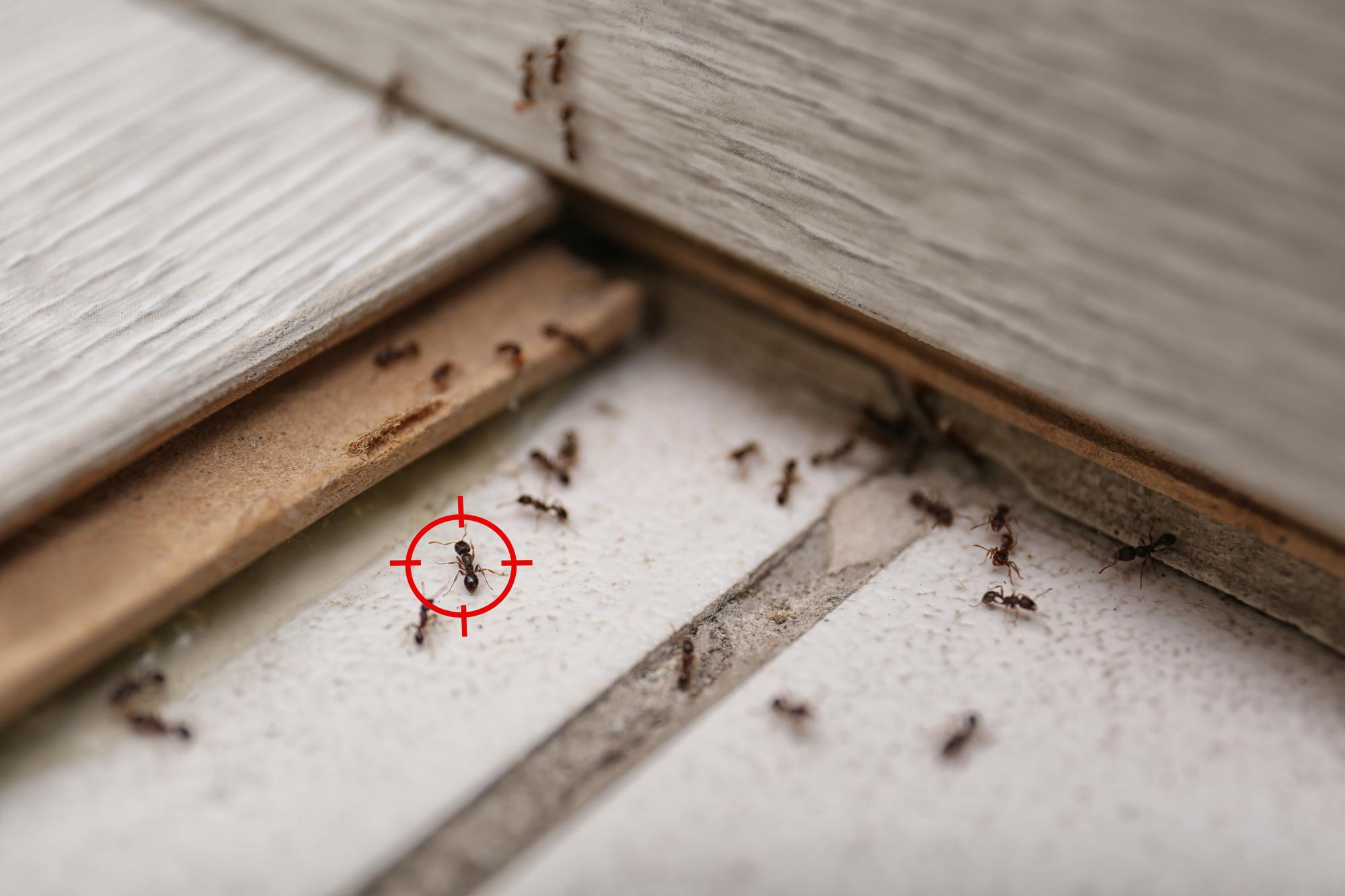
Attics in Colorado look dry and empty, but to pests they are perfect hiding spots. Colorado has at least 173 species of ants, and a quiet attic checks all their boxes. Insulation holds warmth, wood gives shelter, and the space is rarely disturbed. For carpenter ants, wood is especially attractive, and they can create galleries inside beams and joists.
For new homeowners, these issues can start before you ever move in. Ants, spiders, and other pests can be present during construction, then sealed into voids. Small settling cracks around rooflines, chimneys, and trim can open up within the first year, creating fresh entry paths straight into a brand-new attic.
Common attic visitors include:
- Ants nesting in insulation and wall voids
- Spiders following their food sources upward
- Occasional invaders slipping in around vents and soffits
- Future rodent issues that start with small gaps
Wasps, hornets, and yellow jackets love rooflines and soffits. They can squeeze through tiny openings around:
- Soffit vents
- Roof edges and fascia boards
- Utility penetrations, like cables and vents
From there, they sometimes build nests right above or inside the attic. This creates a high-urgency risk, since a small hole or gap into living space could bring stinging insects into bedrooms or hallways.
Even in brand-new homes, small construction gaps and settling can create what we call “hidden highways” into the attic. Cracks around chimneys, unsealed utility lines, and warped trim give pests plenty of options. This is why new home pest control in Colorado should cover top to bottom, not just ground-level treatments. Our team is trained to spot attic weaknesses early, before they turn into larger problems.
Seasonal Pest Surges Hiding Over Your Head
Colorado pests shift with the seasons, and the attic often becomes their safe zone. Late summer and early fall bring peak wasp and hornet activity. Nests that started small in spring can be much larger by the end of summer, often tucked along rooflines, under eaves, or in attic voids. Many homeowners only notice when they see increased wasp traffic near the roof or a sudden spike in stings near decks and entry doors. For urgent wasp or hornet problems, our fast-response mitigation service focuses on safely removing nests and securing entry points before insects reach living spaces.
Around the same time, mosquito numbers tend to jump near standing water and irrigated yards across North Denver, Brighton, and Boulder County. That seasonal boom in insects often lines up with increases in:
- Ants moving along exterior walls
- Spiders hunting the new food supply
- Cluster flies and other occasional invaders seeking dry shelter
As the weather dries out or the weather cools down, many of these pests shift upward into quieter, protected spots like attics. For families, this means more potential allergens and pest debris filtering down through recessed lights, vents, and tiny gaps.
Winter brings a different challenge. Mice and other rodents try hard to get indoors as temperatures drop. They are great climbers and can use rooflines, vines, siding, and utility lines as ladders to reach the attic. Once inside, they can:
- Chew on electrical wires
- Contaminate insulation with droppings and urine
- Spread allergens that drift through ductwork
Our recurring plans are set up around these seasonal patterns. Spring services focus on building strong exterior barriers to cut down summer surges. Late summer and fall visits are a chance to catch wasp nests, ant activity, and attic gaps before they escalate. Before and during winter, we pay close attention to roof access points and attic spaces for rodent signs.
Attic Red Flags New Homeowners Should Never Ignore
Because the attic is out of sight, many Colorado homeowners miss early warning signs. New homeowners in particular may assume a builder warranty or recent inspection means the attic is pest-free. Some signs can be subtle, but they should never be ignored:
- Faint scratching or scurrying sounds at night
- A musty or urine-like odor coming from ceilings
- Tiny droppings on insulation or near access hatches
- Shredded or tunneled insulation
- Sawdust-like material, called frass, that may point to carpenter ant activity
- Regular wasp traffic near specific roof edges or vents
Even a small wasp or hornet nest near the attic can grow quickly. For families with kids or anyone who has allergies, a nest overhead is not something to wait on. Removing those nests safely, without driving insects deeper into the home, is a job for trained pros with the right gear.
Health concerns are a big part of new home pest control in Colorado. Rodent droppings in attic insulation can affect indoor air. Ant and roach allergens can move through ductwork and vents. Stings from wasps and hornets can cause serious reactions. All of this makes the attic just as important as any other room when it comes to safety.
DIY work in an attic often carries more risk than people expect. It is easy to miss nests inside hidden voids, disturb rodent droppings, or push pests into new areas of the home. Technicians like Justin and Ryan use protective gear, focused products that are safe for families and pets when applied correctly, and inspection tools to see what is hiding behind and under insulation.
Although bed bugs rarely start in the attic, they are another high-urgency pest new homeowners can bring in on furniture and luggage. Our fast-response bed bug extermination services focus on sleeping areas and living spaces, while our attic inspections ensure there are no secondary pest issues hiding overhead at the same time.
From One-Time Attic Fixes to Smart Year-Round Protection
Many homeowners call for help when there is a clear problem, like a buzzing wasp nest in August or a mouse spotted in the hallway in January. A one-time treatment can calm the emergency, but it often leaves the root issues in place. Unsealed entry points, quiet ant trails in the attic, or nesting material tucked behind insulation may still be there.
That is where recurring protection makes a big difference. Our Basic and Basic Plus plans are designed as high-value, long-term options that usually cost less over time than paying for separate emergency visits. They focus on:
- Quarterly visits matched with local pest seasons
- Exterior barrier treatments to limit new invaders
- Attic and roofline inspections as needed
- Free retreatments between services if a covered issue pops up
By staying ahead of the next wave, these plans can cut down on surprise infestations, repair costs, and the stress of repeated emergency calls. Spreading protection out over the year gives new homeowners predictable, budget-friendly pest control instead of unpredictable, high one-time bills.
For homes with attic rodent pressure, our Rodent plan adds another layer of defense. This plan can include:
- Exclusion work around rooflines and vents
- Monitoring devices in key attic spots
- Follow-up checks to confirm that activity has stopped
That kind of steady attention is especially important before and during Colorado winters, when rodents are pushing hard to get inside. In many cases, ongoing rodent prevention through a plan is less expensive than repairing chewed wiring, damaged insulation, or contaminated storage boxes after an infestation.
New homeowners already have plenty to think about. Knowing that the same trusted local technicians, like Justin Kehoe or Ryan Allen, are watching your attic and roofline through every season brings real peace of mind and helps protect the investment you just made in your home.
Take Back Your Attic with Local Colorado Pros
Your attic is part of your living space, even if you rarely climb up there. Treating it as a forgotten void lets pests move in, spread, and slowly affect the rest of your home. Smart new home pest control in Colorado always includes a careful look at what is happening above the ceiling.
For families in North Denver, Brighton, and Boulder County, working with local pros who understand our specific pest pressures can make all the difference. At Bee Smart Pest Control, we focus on traditional values, clear communication, and long-term relationships. Our local experts respond quickly to high-urgency issues like wasp nests, hornet problems, and bed bugs, while our quarterly Basic, Basic Plus, and Rodent plans keep day-to-day attic and whole-home protection on track.
When you know who is coming to your home, and you know they understand Colorado attics, and the 173 species of ants, seasonal mosquito surges, and winter rodent pressure that come with them, inside and out, it is much easier to relax and enjoy that new home you worked so hard for.
Protect Your New Colorado Home From Pests Starting Today
If you are moving into a newly built home or recently purchased property, we can help you set up proactive protection before pests ever become a problem. Explore where we serve and how we approach new home pest control in Colorado so you know exactly what to expect from Bee Smart Pest Control. When you are ready to schedule service or ask a question, simply contact us and we will help you choose the best plan for your home.