
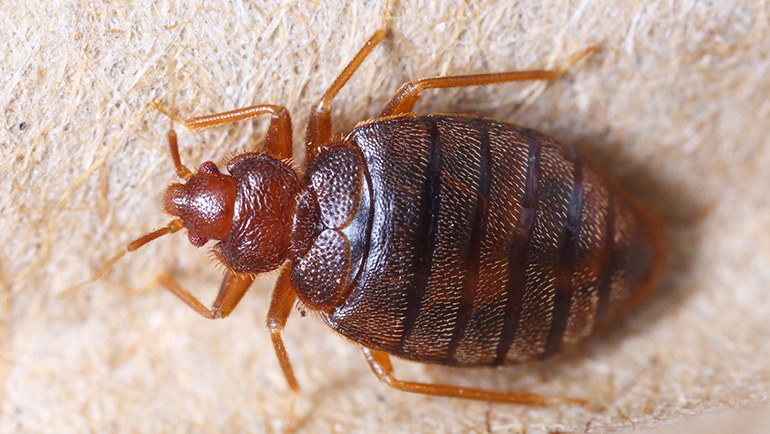
Bed bugs are infamous for their ability to move silently and remain unnoticed for long periods. These small, flat insects thrive in hidden areas close to human hosts, making bedrooms and living spaces ideal for their survival. What many homeowners don’t realize is how effortlessly bed bugs can enter through the tiniest of gaps. From luggage seams to wall cracks, these pests exploit small entry points to infest a home.
Unlike some pests that rely on food or moisture sources, bed bugs are drawn to body heat and carbon dioxide. Once they locate a potential host, they waste no time finding a nearby hiding spot. This article explores how these pests slip through unseen openings, why their movement is so efficient, and how early detection and prevention can make all the difference.
Common Entry Points Bed Bugs Use
Bed bugs don’t need wide openings to gain access to your home. In fact, their flat bodies allow them to squeeze through cracks no thicker than a credit card. Most infestations begin with a few insects hitching a ride on personal belongings or crossing over from an infested space.
Common bed bug entry points include:
- Gaps around electrical outlets and light switch plates
- Cracks in baseboards or wall seams
- Openings in bed frames, headboards, or box springs
- Loose wallpaper edges or torn fabric seams
- Luggage, purses, and clothing brought home after travel
Even multi-family residences that share walls, plumbing, or HVAC systems are especially vulnerable, as bed bugs can migrate between units. Without visible signs, these pests can remain undetected for weeks or even months, making early identification essential to avoid a large-scale infestation.
Why Their Size Makes Detection Difficult
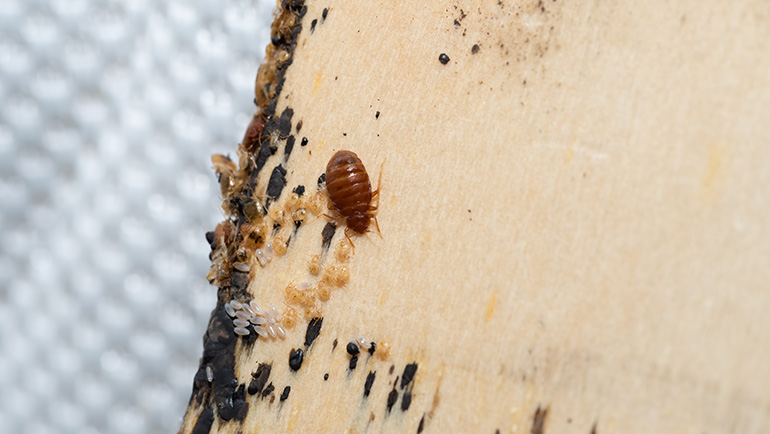
Bed bugs are small, about the size of an apple seed when fully grown, and their eggs are even smaller, about the size of a pinhead. Their natural behavior involves hiding during the day and coming out at night to feed, making them hard to detect without thorough inspection. They often hide in areas where people rest for extended periods, such as beds, couches, and upholstered furniture.
In the early stages of an infestation, you may not see the bugs themselves. Instead, you might notice:
- Tiny reddish stains on sheets or pillowcases
- Dark specks of fecal matter along mattress seams
- Molted skins or egg casings near bed frames
- A musty odor in heavily infested areas
The challenge lies in how well these pests conceal themselves. A single overlooked crevice can become a nesting site for dozens of eggs, leading to a rapid increase in population. For high-risk properties such as apartments or hotels, implementing proactive bed bug strategies is critical to containment.
High-Risk Spaces That Attract Bed Bugs
While any home can become a target for bed bugs, certain areas are more prone to infestation due to their structure, layout, or shared access. Understanding where these pests are most likely to hide or enter can help homeowners and property managers focus their inspection and prevention efforts more effectively.
Typical high-risk areas include:
- Bedroom furniture such as mattresses, box springs, and nightstands
- Luggage and carry-on bags after travel or hotel stays
- Used furniture or secondhand electronics
- Wall voids behind baseboards or electrical panels
- Shared laundry facilities or common areas in multi-unit dwellings
These pests are not limited to dirty environments. Bed bugs are equally likely to invade clean homes if given access. Once inside, they can spread quickly by hiding in nearby cracks and waiting for a feeding opportunity. Their adaptability and stealth make regular pest inspections all the more valuable. Knowing what to expect from inspections can help homeowners prepare and take timely action.
Prevention Starts with Sealing and Vigilance
One of the best defenses against bed bug infestations is eliminating potential entry points and remaining vigilant about changes in your living space. While no method is foolproof, combining multiple strategies can significantly reduce the chances of an infestation taking hold.
Here’s how to protect your home:
- Seal cracks in walls, floors, and around windows with caulk
- Install outlet and switch plate covers in bedrooms and common areas
- Regularly vacuum floors, baseboards, and under beds
- Inspect luggage and personal belongings after travel
- Avoid bringing home secondhand furniture without a full inspection
- Use protective encasements on mattresses and box springs
Routine cleaning and early action are essential, especially in shared living environments. Encourage household members to report bites, rashes, or signs of pests as soon as possible. Fast intervention can prevent the need for more invasive and expensive treatments later.
When to Involve a Professional
Despite your best prevention efforts, bed bugs can still make their way indoors. Because they hide so well and reproduce quickly, it’s rarely effective to treat an infestation without professional help. Store-bought sprays and DIY methods may reduce sightings temporarily, but often miss hidden colonies or egg clusters, allowing the infestation to return.
Professionals are trained to:
- Identify hidden nests in walls, furniture, or behind outlets
- Apply targeted treatments that disrupt the bed bug life cycle
- Use heat or chemical methods tailored to the extent of the infestation
- Recommend follow-up inspections and ongoing monitoring
Attempting removal without the right tools often leads to frustration, recurring infestations, and wasted time. When dealing with bed bugs, early and expert intervention is the best way to restore peace of mind.
Don’t Let Cracks Become Gateways
Tiny gaps and hidden seams are all bed bugs need to turn your home into theirs. Stay ahead of infestations with smart prevention and timely support. For expert help identifying entry points and eliminating bed bugs effectively, contact Bee Smart Pest Control.