
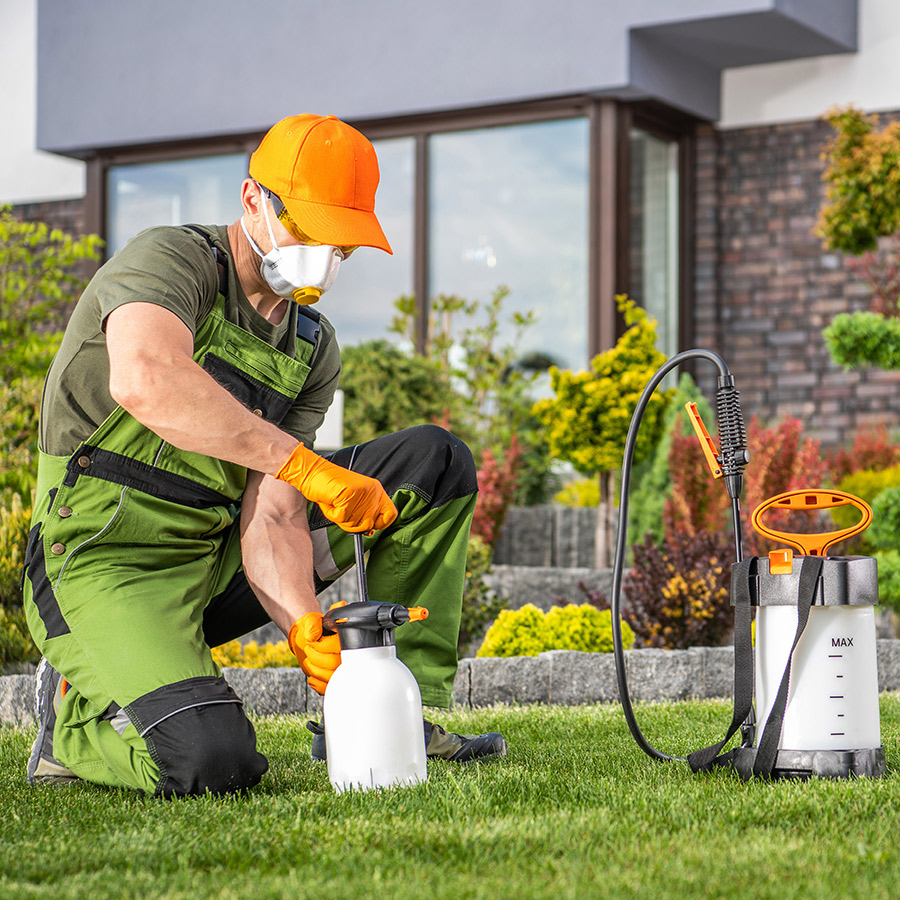
As temperatures rise, so does pest activity. Warm, humid conditions create ideal breeding grounds for insects and rodents, making summer infestations a serious concern for many homeowners. Whether it’s ants in the kitchen, wasps around the porch, or spiders nesting in the garage, seasonal pests are not only a nuisance but a risk to health and property.
Preparing early with a solid pest control strategy is key to keeping your home protected throughout the hottest months. This article outlines how summer pest behaviors shift, what proactive steps to take, and why expert support makes a lasting difference in managing recurring pest issues.

Why Summer Brings Increased Pest Activity
Insects and rodents are cold-blooded, meaning their activity accelerates with rising temperatures. As summer sets in, their metabolism increases, encouraging rapid reproduction and food-seeking behaviors. At the same time, homes offer the perfect refuge: cool, shaded, and full of potential food and water sources.
Common culprits during the summer include:
- Ants forming trails into kitchens and bathrooms
- Wasps building nests under eaves, decks, and play structures
- Mosquitoes breeding in birdbaths, clogged gutters, and yard puddles
- Rodents moving indoors to escape intense heat
- Spiders following prey into quiet corners and basements
Understanding the lifecycle and patterns of these pests is critical. Many species reproduce quickly in warm climates, making a small issue grow rapidly into an infestation if left unaddressed.
Steps to Prepare Your Property
Taking early action before pests multiply can significantly reduce the chance of infestations. Preventive measures not only make your home less appealing to pests but also support long-term control. Here are some effective steps to follow:
- Eliminate standing water: Mosquitoes and other insects lay eggs in stagnant water. Regularly empty containers, birdbaths, and planters.
- Seal cracks and gaps: Check around windows, doors, and foundation lines for openings that could allow pests inside.
- Keep vegetation trimmed: Tall grass and overgrown shrubs attract ticks, ants, and spiders. Maintain at least a three-foot barrier from your home’s perimeter.
- Store food properly: Both indoor and outdoor food, including pet dishes and compost bins, should be tightly sealed and cleaned frequently.
- Secure garbage bins: Use tightly lidded containers and clean them weekly to prevent odors that attract pests.
These steps create a less hospitable environment for pests during their peak season.
Monitoring and Early Detection
Even the most carefully maintained property can become vulnerable during peak pest seasons. That’s why consistent inspection is an essential part of effective pest control. Early detection allows for timely treatment, stopping pests before they establish colonies or nests.
Frequent visual checks around the home can help spot:
- Ant trails near doors or windows
- Mud tubes or droppings indicating termite or rodent activity
- Wasps flying in and out of the same crevice
- Webs or shed skins in corners and under furniture
Routine inspections also allow you to gauge the effectiveness of existing treatments. For best results, homeowners should consider scheduling regular pest inspections to detect changes in pest behavior before issues escalate.
Follow-Up Matters More Than You Think
Pest control isn’t just about one-time treatment. Many pests, especially those that breed rapidly in summer, require a follow-up plan to ensure all life stages are eliminated and new pests are deterred.
Why is follow-up so important?
- Eggs or larvae may survive initial treatments and hatch days or weeks later
- Seasonal pest pressures shift rapidly and require ongoing adjustments
- New pest activity may emerge in untreated areas of the property
Implementing post-treatment follow-up ensures that pest populations are thoroughly managed and that your home remains protected long-term. Professionals often schedule return visits as part of a seasonal treatment plan to address lingering hotspots and reinforce barriers.
When to Call in the Experts
Some infestations are too complex or persistent for simple home remedies. Summer brings a surge of pest species that can be aggressive, difficult to detect, or even hazardous. Wasp nests, rodent infestations, or ant colonies inside walls are best left to trained professionals who can assess the extent of the issue and treat it safely and effectively.
Signs it’s time for expert intervention:
- Pests keep returning despite your efforts
- You notice damage to wood, insulation, or wiring
- You’re unsure what type of pest is present
- Allergies or bites are affecting household members
- There’s a visible nest or major infestation
Professional pest control offers peace of mind by using science-backed methods, safe applications, and monitoring systems that ensure sustainable results through every season.
Get Ahead of Summer Pests
Take the Smart Approach Before It’s Too Late
Protect your home from seasonal pest threats before they spiral out of control. Timely action and expert guidance can make all the difference in staying pest-free this summer. For customized support and proactive solutions, contact Bee Smart Pest Control.