

When it comes to pest control, timing is everything. The earlier an infestation is detected, the easier and more cost-effective it is to manage. Pests such as ants, rodents, spiders, wasps, and mosquitoes can invade homes quietly, often remaining hidden until the damage is done. A regular pest inspection is one of the most effective tools for spotting problems before they escalate, allowing property owners to maintain a safe, healthy environment for their families and pets.
Routine inspections not only catch pests in their early stages but also help identify vulnerabilities around the home that attract and sustain infestations. Whether it’s an unnoticed crack in the siding or moisture under the sink, these small details make a significant difference. This article outlines the benefits of regular inspections, common signs of pest activity, and how professional insight contributes to long-term pest prevention.
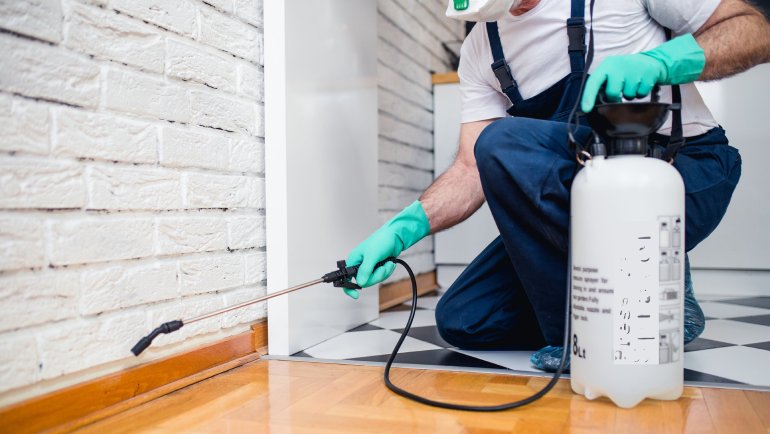
Why Early Detection Is Essential
Pests rarely appear overnight. In most cases, infestations build gradually over time. By the time visible signs emerge, such as droppings, chewed materials, or swarmers, there is already a well-established population behind the scenes. Early detection through regular pest inspection helps address the problem at its source, before reproduction cycles take hold or structural damage begins.
Early intervention also reduces the need for aggressive treatment methods. For example, spotting termite activity early may allow for a localized solution instead of fumigation. Similarly, identifying mosquito larvae in the garden means treatment can be applied at the most vulnerable stage. These proactive efforts save money, time, and frustration for homeowners.
Pests can also be vectors for bacteria and allergens. The longer they go undetected, the greater the potential health risk. Regular inspections help catch infestations before they compromise indoor air quality or food safety, particularly in homes with children or pets.
Key Areas Targeted During Inspections
A thorough pest inspection doesn’t just involve walking through visible parts of the home. Professionals are trained to look into areas most likely to attract pests, including those that homeowners rarely think about. These inspections are especially important before seasonal transitions when certain pests become more active.
Critical inspection points include:
- Basements and crawlspaces: Dark, moist environments ideal for spiders, termites, and rodents
- Attics and wall voids: Common nesting areas for wasps and mice, often out of sight
- Kitchen and pantry spaces: Crumbs, moisture, and clutter attract ants, roaches, and pantry pests
- Garage and utility rooms: Entry points and clutter make these hotspots for nesting
- Exterior perimeters: Cracks in siding, foundation gaps, and window screens are key vulnerabilities
Inspectors also check for signs of standing water and organic debris outside the home, which can support the mosquito life cycle. Disrupting this cycle early in the season can drastically reduce mosquito populations throughout summer.
Signs That Indicate Hidden Activity
Pest activity isn’t always obvious. Some insects and rodents are nocturnal, shy, or skilled at hiding within walls or under floors. Recognizing subtle signs can lead to quicker resolution and less invasive treatment.
Watch for the following indicators:
- Droppings near baseboards, cabinets, or in the attic
- Gnaw marks on wires, wood, or food packaging
- Faint scurrying or scratching noises at night
- Mud tubes along the foundation or near door frames
- Musty odors in closed-off areas like closets or crawl spaces
Insect activity around windows, nests in eaves, or insect wings near sills can also be red flags. When found during a regular pest inspection, these signs allow technicians to locate nests, identify species, and apply treatments efficiently. Acting on these cues quickly helps break reproductive cycles before they progress.
The Value of Professional Oversight
While DIY inspections may help in obvious cases, professional pest technicians bring experience, specialized tools, and a deeper understanding of pest behavior. They know what to look for, how to trace subtle signs to their origin, and how to assess the risk level of each finding.
Benefits of professional inspections include:
- Identification of pests by species for targeted treatment
- Access to monitoring systems and early-warning traps
- Insights on environmental conditions that attract pests
- Suggestions for preventative maintenance and sealing entry points
- Peace of mind from thorough, systematic evaluations
Professionals also help homeowners choose between natural and chemical methods based on safety concerns, pest type, and infestation size. This approach ensures that any treatment used is effective and appropriate for the situation, without unnecessary exposure to harsh substances.
How Often Should Inspections Be Scheduled?
The frequency of pest inspections depends on several factors, including property size, age, and location. Homes near wooded areas, water sources, or with a history of infestations may require more frequent checks. In general, homeowners should schedule inspections at least twice a year: once in spring and once in fall. These seasons coincide with peak activity for many pest species and are ideal for implementing preventative strategies.
Additionally, inspections should be prioritized when:
- Buying or selling a home
- After significant weather changes (flooding, heat waves, etc.)
- When unexplained signs or damage are noticed indoors
- Following nearby construction or landscaping that may disturb nesting grounds
Routine inspections form the foundation of effective pest management. They reduce the need for emergency interventions and help maintain a pest-free environment year-round.
Make Inspections Part of Your Routine
Don’t wait for pests to make themselves known. Regular pest inspection is the smartest way to stay ahead of infestations and protect your home from avoidable damage. For expert evaluations and early detection strategies tailored to your space, contact Bee Smart Pest Control.