
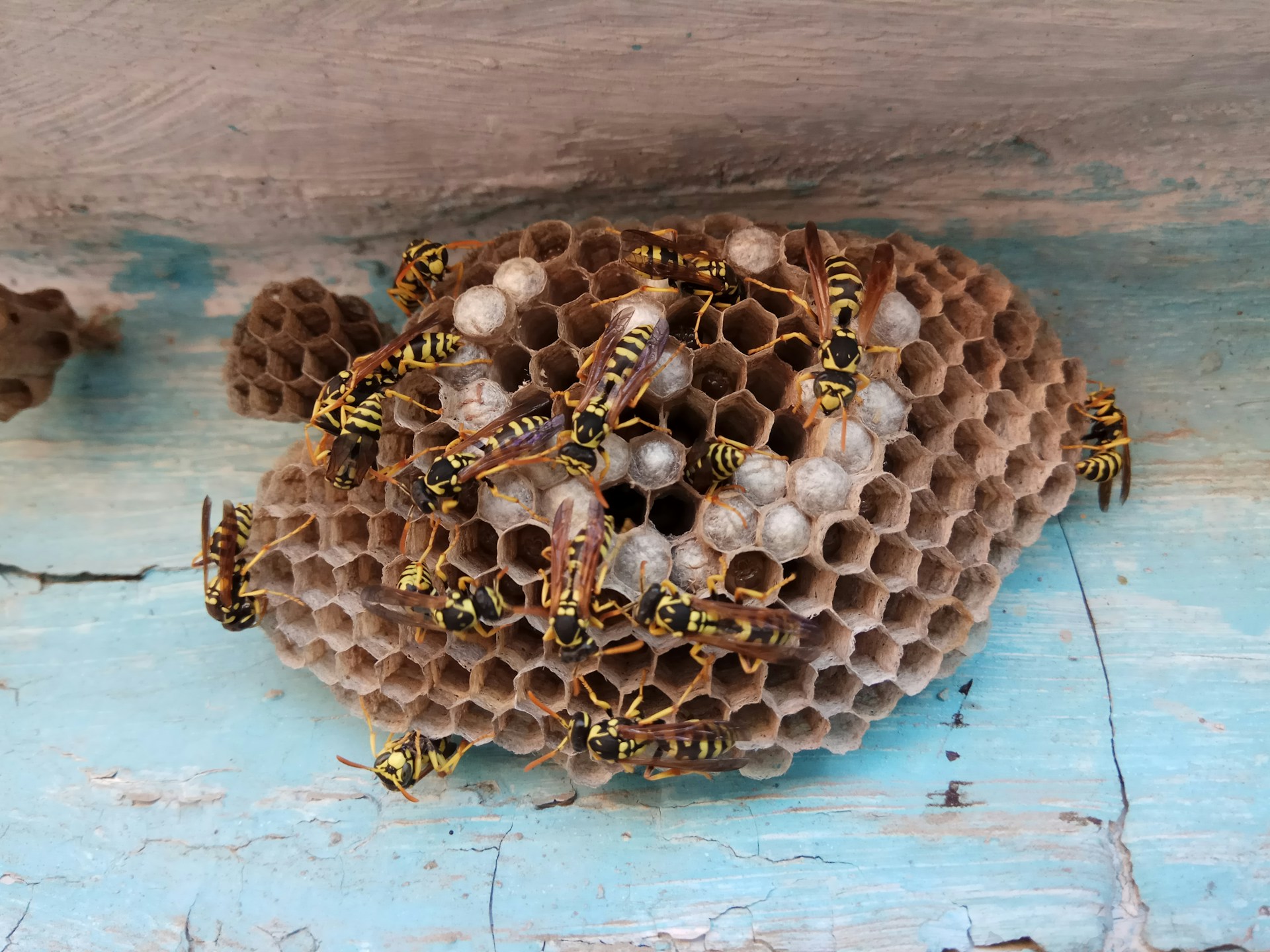
Protect Your Brighton Yard From Spring Wasp Surprises
Wasp nests have a way of showing up right where you want to relax, grill, or watch the kids play. In early spring around Brighton, wasp activity starts to pick up around decks, swing sets, eaves, and shrubs as queens search for places to build new nests. Catching those nests early makes a big difference in how safe and comfortable your yard feels later in the season.
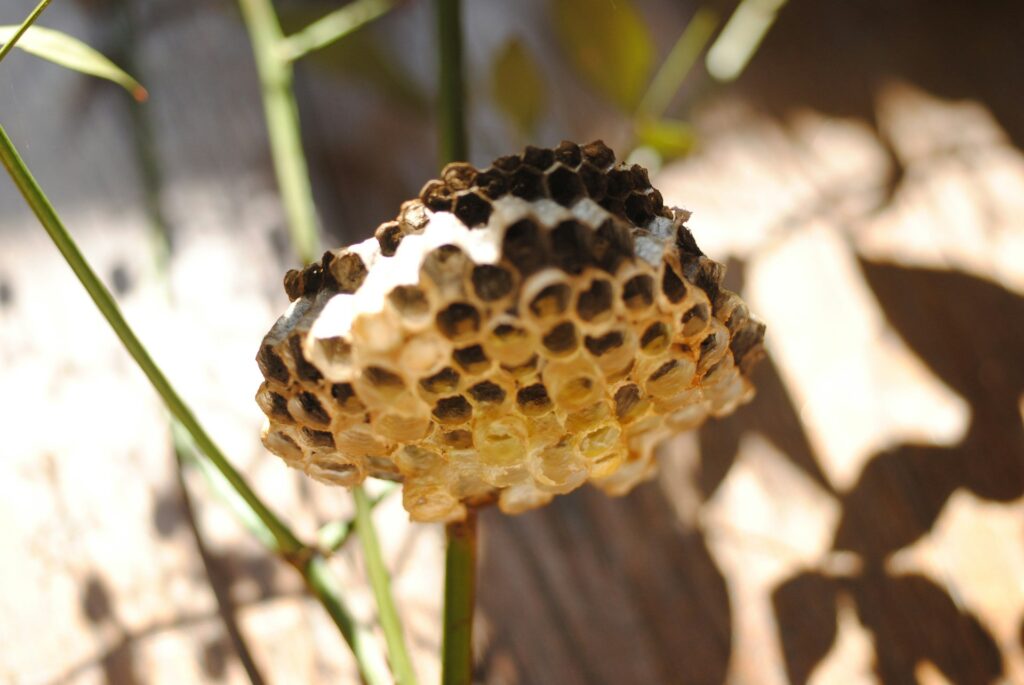
When a small, fresh nest is left alone, it can turn into a large, busy colony by summer. As nests grow, wasps can become more defensive and more likely to sting if they feel disturbed. That is why wasp nest removal in Brighton is so important early on. In this article, we will walk through how to spot nests before they get big, why DIY removal can be risky, what professional treatment looks like, and how to make your yard less welcoming to wasps in the first place.
At Bee Smart Pest Control, we are a locally owned, licensed pest control company based in Brighton. We use modern, safety-focused methods that fit our local climate, neighborhood layouts, and family yards. Our goal is simple: keep your outdoor spaces safer and more enjoyable without putting kids, pets, or good bugs at risk.
How to Spot Wasp Nests Early in Your Brighton Yard
Around the north Denver metro area, homeowners most often deal with paper wasps, yellowjackets, and hornets. Each has its own favorite nesting spots.
- Paper wasps usually build small, open comb nests under eaves, railings, playsets, and porch ceilings.
- Yellowjackets often choose ground voids, old gopher holes, or spaces under patios and decks.
- Hornets tend to make larger, enclosed nests in trees, dense shrubs, and sometimes on structures like sheds.
In early spring, you might only see a golf-ball-sized starter nest with a single queen working on it. That small nest is your best chance to tackle the problem before it grows. Some signs to watch for include:
- Wasps flying to and from the same corner of the roof or deck.
- Small gray paper nests under eaves, porch roofs, or railings.
- Wasps scraping or chewing on wood fences, railings, or play equipment to gather fibers for nest building.
- Wasps nosing around soffits, siding gaps, attic vents, and light fixtures as they search for nesting spots.
When you check for nests, timing and safety matter. Late evening or early morning is usually calmer, since wasps are less active and more likely to be in the nest. Instead of climbing ladders, many people find it easier and safer to stand back with binoculars and scan:
- Under roof eaves and along gutters.
- Around porch lights and security lights.
- On top of shed roofs and under overhangs.
- Around swing sets, playhouses, pergolas, and grill areas.
Ground nests can be harder to see. Watch for wasps repeatedly entering the same small opening in the soil, mulch, or under a slab. If you see that, keep kids and pets away from the area until you know what you are dealing with.
Why DIY Wasp Nest Removal Can Be Risky
A small nest can look easy to handle, but wasps react fast when they feel threatened. When a nest is disturbed, they release alarm signals that tell other wasps to attack. That can lead to:
- Swarming behavior around your face and upper body.
- Multiple stings in a short amount of time.
- Higher risk for children, pets, and anyone with a sting allergy.
Common DIY methods like store sprays, homemade traps, or knocking nests down with a broom often do not solve the whole problem. Some issues that come up include:
- Sprays might not reach the queen or brood deep inside the nest.
- Partially treated nests can send angry wasps in all directions.
- Knocking a nest down before it is neutralized can scatter wasps and make them aggressive.
- Ground nests are especially tricky, since yellowjackets can pour out quickly when disturbed.
In Brighton neighborhoods, yards can be close together with shared fences, narrow side yards, and busy sidewalks. A stirred up nest does not care about property lines. There is also the simple risk of climbing on ladders around sloped yards, wet grass, or early spring ice. A fall while trying to spray or knock down a nest can be as dangerous as the stings themselves.
For these reasons, we recommend letting trained pros handle wasp nest removal in Brighton, especially when nests are high up, hidden, or close to areas where people spend time.
Professional Wasp Nest Removal in Brighton Done Right
When our team at Bee Smart Pest Control comes out for a wasp problem, we start with a careful inspection. We look for all nests, not just the one that caught your eye. We identify the type of wasp, check the nest size, and study where it is located in relation to doors, windows, play areas, and neighbor yards.
From there, we choose a targeted treatment that fits the situation. That might include:
- Using EPA-registered products designed for wasps.
- Applying treatments in a way that keeps kids, pets, and non-target insects as safe as possible.
- Treating the nest so that wasps inside and returning foragers are both affected.
- Removing or neutralizing nests after treatment so they do not keep drawing attention.
Being local to Brighton helps us understand how your home is built, where wasps like to hide on common house styles in the north Denver metro area, and how spring weather swings can affect activity. Cooler mornings, sudden warm days, and spring storms all change how wasps move and how we time treatments.
We also pay attention to follow-up needs. Some yards are at higher risk for repeat nesting because of nearby open fields, water features, or dense shrubs. In those cases, checking back or adding preventive steps can keep new nests from popping up in the same spots.
Preventing Wasps From Rebuilding in Your Yard
Stopping new nests is a team effort between the homeowner and the pest pro. Early spring is a great time to make small changes that make your yard less friendly to wasps. Helpful steps include:
- Sealing gaps in siding, soffits, and fascia where queens might sneak in.
- Repairing torn screens on windows, doors, and vents.
- Capping hollow fence posts and open pipe ends.
- Trimming back thick shrubs and branches that hang right over patios, playsets, or entry doors.
Everyday habits outside also play a big role. Wasps are drawn to food and sweet smells, so try to:
- Keep trash and recycling lids closed and rinsed when possible.
- Clean up food scraps and drink spills after barbecues or picnics.
- Pick up fallen fruit under trees before it rots.
- Place hummingbird and other sugary feeders away from doors and main seating areas.
Ongoing pest control plans can include regular monitoring for early wasp activity, spot treatments in common nesting areas, and advice based on what we see in your specific yard. As weather warms from early spring into summer, that kind of steady attention can cut down on surprise nests right where you least want them.
Take Back Your Yard with Safe Local Wasp Control
You do not have to put up with wasp nests near your front door, under the deck, or by the kids’ play equipment. When you act early, nests are easier to handle, and your outdoor season can start with fewer worries about stings and swarms.
Professional wasp nest removal in Brighton helps protect your family, your pets, and your neighbors, while also treating the problem at the source. At Bee Smart Pest Control, we focus on safe, modern treatments that fit the way people in our area actually live in their yards, from quiet mornings on the porch to full backyard barbecues.
Protect Your Home With Fast, Professional Wasp Removal
If you are seeing frequent wasp activity around your home, now is the time to act before the nest grows larger and more aggressive. At Bee Smart Pest Control, we safely locate and remove nests so your family and pets can enjoy the yard again. Learn more about our expert wasp nest removal in Brighton, or contact us to schedule a prompt inspection and service.